Tuesday, August 6, 2024

Parashat Devarim: How Can We Give Rebuke in a Way that Will be Appreciated?

Printable Version

Parashat Devarim
How Can We Give Rebuke in a Way that Will be Appreciated? 


The Obstacles Preventing Us from Feeling Gratitude for Rebuke

Over the years through my interactions with numerous people and students of various ages and backgrounds, I have seen one clear distinguishing point between those who truly want to grow and those who don’t. It boils down to whether we sincerely appreciate constructive criticism or whether we choose instead to place the blame on others. The temptation to tread the latter path originates from the reaction to the first-ever rebuke in the Garden of Eden. Hashem asked Adam: “Where are you?” (Bereishit 3:9). This short question instills a strong message that we must always question ourselves where we are in relation to Hashem, and whether we are on the path of moving closer or – G-d forbid – farther away from Him. The Divine question also entails where we are on all levels: spiritually, emotionally, and physically. Adam had just descended several spiritual worlds yet instead of taking responsibility and admitting that he was spiralling down, he chose to exonerate himself by saying, “The woman whom You gave [to be] with me she gave me of the tree; so I ate” (Ibid. 12). Since then, ingrained within us all is the tendency of blaming others rather than taking responsibility and looking for opportunities for growth. Undoubtedly, it is uncomfortable to receive criticism. It can make us feel inadequate and unworthy, and that hurts! So, the natural tendency is to repress this pain by dismissing the rebuke, and living in the illusion that we are doing nothing wrong. In addition, it is common to block our own shortcomings by finding faults with others. People who are insecure in themselves are more prone to this attitude of avoiding facing their faults. Their lack of self-confidence makes them disbelieve their ability to mend their ways.  It is much easier to point fingers at others than admit being wrong and express a sincere apology. Yet, the initial pain can be transformed into growing pangs when we appreciate the chance to work on ourselves and evolve. If we can get ourselves to that place, we will truly be thankful whenever someone makes an effort to reprimand us, even when the rebuke isn’t given in the very best way.  In hindsight, don’t we all agree that we have learned the most from our so-called failures? 

Do We Know How to Give Rebuke in Our Time?

Although some people say that no one knows how to rebuke today, I have experienced that it is possible to successfully rebuke even the kind of person who is less likely to accept reproach, if we come from a truly loving place of seeing the good in the other.  Actually, there doesn’t seem to be a proper Torah source for this statement. On the contrary, the Torah teaches the importance of giving rebuke (Vayikra 19:17). Possible, the said statement may be taking Talmudic discussion out of context: “Rabbi Elazar ben Azaria says: I would be surprised if anyone in this generation knows how to rebuke” (Babylonian Talmud, Arachin 16b). Yet, the same Talmudic discussion continues and its purpose is to decide how far the obligation of rebuke extends, and at what point a person may be exempted from giving rebuke. This is either when the reprimanded person curses the one who gives him rebuke or when he hits him. Today even the person least receptive to rebuke will rarely commit any of these harms, and thus it is still our sacred duty to try our best to help others straighten their ways, whenever there is even a small chance they will listen. Although giving rebuke is one of the least favorable parts of my vocation as an educator, I do it when absolutely necessary. While I’m not always successful, I’ve learned some helpful principles about how to rebuke. To be successful in anything we must always turn to Hashem. Especially, whenever we are going to perform a difficult task, the first thing is praying to Hashem. Only then can we plan how to proceed. In interacting with others, we accomplish nothing when the other part becomes defensive. So, we must ensure that our reproach doesn’t come off in a way that can be misunderstood as an attack. Starting the rebuke with positive words of admiration for the good we see in the other, including showing compassion for their difficult situation, has a good chance of yielding success. Then it may work well to express surprise about the negative action in question, and how it seems out of character with the rest of the person’s positive qualities. To avoid the person becoming defensive, it is recommended to voice the reproof as a question such as “Why did you act x, y, or z?” This also shows that we are open to hearing his side and believe that he may have good reasons to do what he did. Once we have gained the confidence of the person, we want to rebuke that we aren’t out to get him, but sincerely want to help him, he will let down his guard. The best thing that could happen then is that he will ask for advice, on how he could improve his ways, and then the rest is straightforward. When we have reproved someone and even if it went well, we cannot expect the person to make a 180-degree turnabout on the spot. Remember, the founder of the Musar Movement, (concerned with enhancing moral and ethical conduct), Rabbi Yisrael Salanter, states that repairing one bad trait is harder than learning the entire Talmud. So perhaps in another seven years, you may notice the person’s improvement!

Rebuke Must be Without Personal Vendetta

We always read Parashat Devarim the Shabbat before Tisha b’Av the main fast day commemorating the destruction of our Temple. This Parasha opens with Moshe’s wise rebuke of the Jewish people. It is told about Rabbi Ya’acov Yitzchak of Peshicha that every day he read several verses from this parsha as he believed that these words of Moshe have the power to enter the heart and lead one to repent.

ספר דברים פרק א פסוק א אֵלֶּה הַדְּבָרִים אֲשֶׁר דִּבֶּר משֶׁה אֶל כָּל יִשְׂרָאֵל בְּעֵבֶר הַיַּרְדֵּן בַּמִּדְבָּר בָּעֲרָבָה מוֹל סוּף בֵּין פָּארָן וּבֵין תֹּפֶל וְלָבָן וַחֲצֵרֹת וְדִי זָהָב:

“These are the words [of subtle rebuke] which Moshe spoke to all the Jewish people in [the Plains of Mo’av, on the east] bank of the Jordan. In the wilderness, [in the plains of Mo’av], at the Sea of Reeds, [in the wilderness] of Paran, between Tofel and Lavan, at Chatzerot and Di-Zahav” (Devarim 1:1).

These are words of rebuke, since all the places where they angered G-d are listed here. But, out of respect for the Jewish people, Moshe was vague with his words, and he only hinted [at their sins, by mentioning the places where the sins occurred, and not the sins themselves]: (Rashi ibid.).  Rashi was troubled by why the verse states, “These are the words which Moshe spoke to all the Jewish people…” without mentioning the content of Moshe’s words. Rashi concludes that our verse must contain the actual words that Moshe said to the Jewish people. Thus, the list of locations at the end of the verse is not, as it first appears, a description of where Moshe said his words, but rather, they are Moshe’s words themselves. Each place on the list of the Israelites’ locations alludes to a specific sin. Moshe thus gave a subtle rebuke, indirectly admonishing the Jewish people for their numerous past rebellions. This kind of rebuke is a compassionate technique that prevents the offender from becoming defensive, as he is discovering the reproach by himself. With the phrase, When listing “All the places where they angered G‑d,” Moshe did not mention Marah, since Marah was a rebellion against Moshe’s own leadership, and not directly against G‑d. So, while Moshe felt it appropriate to admonish the Jewish people for their sins against G‑d, Moshe did not seek to defend his own honor by rebuking the people for rebelling against him (Based on Rabbi Menachem Mendel Shneerson, Sichas Shabbos Parshas Devarim 5725).

Constructive Criticism: Building Up Those We Rebuke

Rashi explains “Di-Zahav” (lit., enough gold) as - He rebuked them for the calf they had made because of their abundance of gold. Yet, the Talmud (Brachot 32a) interprets the allusion of Di Zahav as Moshe said to Hashem: The riches you gave to B’nei Yisrael until they said די/dai – ‘enough’ is what caused them to erect the הזָָהָב עֵגֶל – ‘golden calf.’ According to the Talmud, it seems as if Moshe blames Hashem for the sin of the golden calf, whereas Rashi teaches us that this verse is Moshe’s rebuke of the people for their sins! How do we understand this seeming contradiction whether it was the nation’s fault, or G-d’s fault (so to speak)? Rabbi Rosner explains, “After hundreds of years of slavery, He took the Israelites out of Egypt with great miracles and gave them vast riches.  What can be expected of someone who becomes a millionaire overnight?  It is hard to deal with so much good fortune so quickly.  It is Your fault, Hashem, for having spoiled them! According to Rav Asher Weiss, on the one hand, Moshe was giving the Israelites rebuke but at the same time, he was defending us.   It’s as if he was saying – Hashem, what did You expect of them?  Having been deprived of riches for hundreds of years, they simply could not properly handle the great wealth you gave them with the Exodus.  This teaches us a very important lesson.  Whenever we are trying to improve someone else, while our rebuke may make them feel as if we are putting them down, we must raise them up.  At the same time that we reprove them for wrongdoing, we must excuse them for their negative behavior.  We must always display love for those we reproach and attempt in some way to defend their behavior or see another angle of their transgression, even when rebuke is in order (Based on Shalom Rav, v.II, p.348-349). When we balance rebuking and defending those we rebuke by carefully building up those we rebuke, then they will likely appreciate and feel gratitude for our constructive criticism!

Gratitude Focus for the Week of Parashat Devarim  – 
Some Tips for Showing Gratitude while Giving and Receiving Rebuke
Parashat Devarim is read on the Shabbat preceding Tisha B’Av – the date on which both Holy Temples were destroyed. The Talmud states the reason for the destruction of the Temple was that people failed to rebuke one another (Shabbat 119b). Rambam explains that the driving force for criticizing others should be our love for them and our desire that they don’t hurt themselves (Rambam, Hilchot De’ot 6:7). Most of us only criticize the behavior of others when it bothers us, not when it’s harmful to them. We may ignore the actions of family and friends that are clearly detrimental to them, but we’ll rush into action if they do or say something that is disruptive to us. The Talmud reminds us that we didn’t care enough to prevent others from harming themselves. Such behavior epitomizes baseless hatred, which the Talmud lists as the reason why the Second Temple was destroyed (Yoma 9b); (Based on Katia Bolotin, 14 Tips For Giving and Recieving Constructive Critisicm.)

Tips for Giving Constructive Criticism
  • “Reprove not a scorner lest he hates you; reprove a wise man and he will love you” (Mishlei 9:8)Make yourself into King Solomon’s wise person who recognizes the value of criticism. Then share your wisdom with others, by offering criticism in a loving, positive, and sensitive way. 

  • Start by Complimenting or Acknowledgingsomething positive that the person has done so that s/he’ll be more receptive to your suggestion for change
  • Don’t Overdo itDon’t repeat your rebuke needlessly. That is like Rubbing Salt in the Wound. Like Moshe, give subtle rebuke and speak briefly to the point. 
  • Don’t Focus on the WrongdoingRather than focusing on what another is doing wrong, tell the person what he or she should do differently, and give concrete examples.
  • Be Mindful of Your Emotions and Timing Only speak if you are motivated by genuine concern and care. Moshe waited until the end of his life. Bide your time and speak when you and the recipient are both ready.
  • Look for the Good Points of the Other PersonFocus on building up the other person and respecting his or her dignity.  
  • End with an Encouraging Statement – sandwiching your criticism between praises. 
Tips for Receiving Criticism 
  • Even if it May Hurt, Always Look for What You Can Learn from the Message – Take time to process and consider how the criticism can be used for your personal growth.
  • Avoid a Defensive Reaction – especially if the admonishment is coming from someone who cares about you.
  • Express Appreciation, Such As – “Thanks for pointing this out to me. I value your feedback. I’ll work on it.” This is the best response to criticism. Such a response creates an atmosphere of cooperation and prevents confrontation.

Wednesday, July 31, 2024

Parashat Matot/Masei: What is the Torah View on Recruiting Yeshiva Students for the Israeli Army?

Printable Version

Parashat Matot/Masei
What is the Torah View on Recruiting Yeshiva Students for the Israeli Army? 


Gratitude for Our Soldiers’ Self-Sacrifice to Fight our Torah Mandatory War
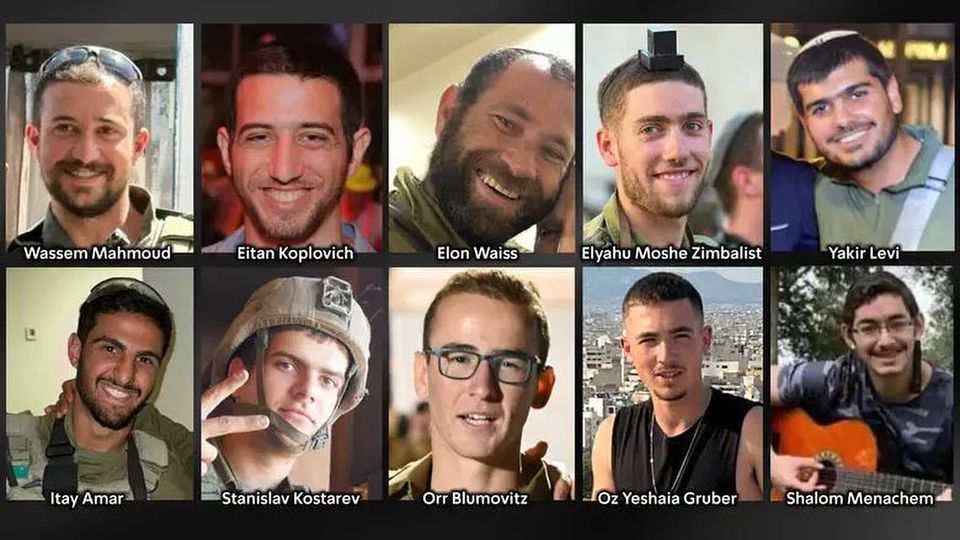
My heart is filled with gratitude towards the IDF – Israel Defense Forces. Before we had an army to defend ourselves, Jews went like sheep to the slaughter during the Holocaust, and Arab marauders murdered Jewish civilians right and left. Before we had our own army, old men were knifed, and women were raped by our ‘cousins’ while the British looked the other way. Without our brave and holy soldiers where would Israel be today? Personally, I doubt that I would have been able to return to my land and my roots had it not been due to the relative security we experience in the State of Israel thanks to the IDF.  Now about 300 days into the current Gaza war, things aren’t easy, and the high spirit of unity when the Yeshiva students prepared Tzitzit for the soldiers is threatening to break apart. Hashem is testing – not only our military resilience – but especially our moral strength and endurance. Now more than ever we are called upon to remain united against all the odds. This implies supporting our leadership even if we don’t agree about everything. During a war, it is not the proper time to criticize and protest against our prime minister. He needs our backing and support to be successful and bring about our victory. I’m thankful to Binyamin Netanyahu for standing up strongly for Israel’s right to defend itself against world opinion and sadly even against some of our own people. There is no question that our current war is a milchemet mitzvah (mandatory war from the Torah), which entails the mitzvah of saving Jews from attacking enemies, and the mitzvah of settling the Land of Israel.  
I support the Supreme Court ruling on June 25, 2024, that the Israeli government must enlist draft-age Charedi men into the military. After 76 years of exemption and political and societal controversy and strife over it, there is now a legal obligation for young Charedi men to join their Jewish Israeli comrades and serve in the military.  When it comes to a milchemet mitzvah – “the entire nation must go out to war, even a groom from his chamber, and a bride from her Chuppah” (Rambam Laws of Kings 7:4). The difference between the mitzvah of fighting a war, as opposed to the standard mitzvah of saving a life, is that the mitzvah of fighting a war requires mesirut nefesh (self-sacrifice), which overrides the obligation to protect one’s own life (Rabbi Eliezer Waldenberg, Responsa, Tzitz Eliezer 13:100). For this self-sacrifice of our young men and women for the sake of protecting us all I’m overwhelmingly grateful.

The Mitzvah of Enlisting in the Israeli Army
Rabbi Eliezer Melamed asserts that anyone who claims that there is no mitzvah to serve in IDF is not a Torah scholar. Our Torah repeatedly commands us to go out to war to conquer the Promised Land. The mitzvah of settling the land equals all the mitzvot (Sifre, Re’eh, Parasha 53). It overrides saving the lives of individuals as we were commanded to conquer the Land of Israel, and the Torah doesn’t expect us to rely on a miracle. Since there usually is no war without casualties, the mitzvah to conquer the Land obligates us to endanger lives for it (Minchat Chinuch 425, 604; Mishpat Kohen p. 327). Although the mitzvah of Torah learning is equated to all the mitzvot, the basic rule is that any mitzvah that cannot be performed by others overrides Torah learning (Babylonian Talmud, Mo’ed Katan 9a). This principle applies to serving in the army. Army service overrides Torah study when there are not enough soldiers for Israel’s security. However, when Israel’s security doesn’t warrant recruiting all young men, the Jewish nation must exempt students worthy of developing into Torah scholars so they can grow and become rabbis and educators. These few selected serious Yeshiva students must continue learning in yeshiva for several, unlimited years, to benefit all of Israel – provided they do so with respect and appreciation for the soldiers protecting our nation and country. Then their Torah learning can fully contribute to raising the spirit and courage of Israel. Since the inception of the state of Israel until recently, Israeli law granted full exemption from military service to roughly 20% of all yeshiva students. For this, the Chareidi community should have expressed gratitude to the State of Israel instead of complaining and criticizing.  If the Chareidi leadership invested even a fraction of the energy – used to fight against enlistment – into demanding more suitable conditions for Torah-observant soldiers, it would lower the risk of the spiritual decline of the religious youth serving in the army. When more Yeshiva students enlist in IDF, it will influence the army to follow Torah law and engender greater sanctity. As a result, the security of Israel will be greatly strengthened, and we will B”H merit the Final redemption. (Rabbi Eliezer Melamed, The Hareidim and the Mitzvah to Serve in the I.D.F.)  https://blogs.timesofisrael.com/hareidim-and-the-mitzvah-to-serve-in-the-i-d-f/ This article was written in 2014, how much more is it relevant today during our current longwinded war.

Taking Responsibility to Fight Side by Side with Their Brothers to Conquer the Land                    The Torah in Parashat Matot teaches us about the appreciation due to the soldiers going to war to conquer the land of Israel through the request of the tribes of Reuven, Gad, to receive land portions outside of Israel. Moshe was at first opposed to permitting these tribes to get a land portion on the other side of the Jordan River, which he felt would demoralize the soldiers:

ספר במדבר פרק לב פסוק ו וַיֹּאמֶר משֶׁה לִבְנֵי גָד וְלִבְנֵי רְאוּבֵן הַאַחֵיכֶם יָבֹאוּ לַמִּלְחָמָה וְאַתֶּם תֵּשְׁבוּ פֹה(ו) וְלָמָּה (תנואון) תְנִיאוּן אֶת לֵב בְּנֵי יִשְׂרָאֵל מֵעֲבֹר אֶל הָאָרֶץ אֲשֶׁר נָתַן לָהֶם הָשֵׁם:
“[Thereupon,] Moshe said to the descendants of Gad and the descendants of Reuven, ‘Shall your brethren go to war while you stay here? Why do you discourage the children of Israel from crossing over to the land which Hashem has given them?” (Bamidbar 32:6-7).

Moshe only agreed to the request of those tribes after they voiced their complete commitment to the Jewish mission of conquering and settling the land of Israel:

ספר במדבר פרק לב פסוק יז וַאֲנַחְנוּ נֵחָלֵץ חֻשִׁים לִפְנֵי בְּנֵי יִשְׂרָאֵל עַד אֲשֶׁר אִם הֲבִיאֹנֻם אֶל מְקוֹמָם וְיָשַׁב טַפֵּנוּ בְּעָרֵי הַמִּבְצָר מִפְּנֵי ישְׁבֵי הָאָרֶץ: (יח) לֹא נָשׁוּב אֶל בָּתֵּינוּ עַד הִתְנַחֵל בְּנֵי יִשְׂרָאֵל אִישׁ נַחֲלָתוֹ:

“We ourselves will be ready armed to go before the children of Israel until we have brought them to their place. Our children will reside in the fortified cities on account of the inhabitants of the land. We shall not return to our homes until each of the children of Israel has taken possession of his inheritance” (Bamidbar 32:17-18).

Although the tribes of Reuven and Gad requested to live outside of the Land of Israel, they were well aware that their responsibility to conquer it was no less than those inheriting inside of the land. They not only offered to join their brothers in the battle for the Land of Israel, but these two tribes were even willing to fight at the head of the camp.  Since they committed to be partners in the war like everyone else, Moshe’s concerns abated.

The Torah Values the Soldiers Even More than the Kohanim
Parashat Matot further elucidates the appreciation due to the soldiers through its division of the large collection of spoils that the soldiers – who went to war against Midian – took back with them. Hashem commanded Moshe how to divide the spoils. The booty was to be divided equally between the soldiers and the rest of the population. There were 1,000 soldiers per tribe, 12,000 in total. The census in Parashat Pinchas enumerated a total population of 601,730 (Bamidbar 26:51). It seems an unfair distribution that 12,000 soldiers get the same as the 589,000 rest of Israel.  This teaches us that the soldiers are greatly valued in the Torah, their disproportional allotted share of the spoil expresses profound appreciation for their service. The benefits that our modern Israeli society grants to soldiers who serve our country are rooted in our Torah. The tithes of the Kohanim and Leviim – who provide spiritual strength – are minuscule compared to what the Torah designates for the soldiers.  The Kohanim receive 1/500th of the soldier’s half. The Leviim get 1/50th of the general population’s half. While we value the contribution of the religious leaders the soldiers’ contribution is appreciated even more.

Politically Incorrect Statements about Israeli Warfare Causes Uproar in the Jewish World
When I recently quoted Rabbi Manis Friedman about the Intimacy Crisis one of my students pointed out that many reputable Rabbis have accused him of being a heretic. I was quite shocked as I know him to be wise and erudite in Torah with a special gift of inspiring people of all levels of observance and backgrounds. When I researched the critique and Rabbi Friedman’s response, I found his words taken out of context and the accusations offensive and rude, calling the Rabbi – who has a long white bear – Santa Clause. The vehement attacks didn’t make sense until it dawned on me that it was his radical statements about Torah warfare that elicited such condemnations. In addition to publishing To Win a War (The Jewish Way): A Guide for post-war Sanity Rabbi Manis Friedman’s comments about warfare published in Moment Magazine caused a great uproar and a flurry of criticism from the Jewish world both in the USA and Israel. As the ‘tolerant’ Western world accuses Israel of “murdering innocent civilians” Rabbi Friedman took a bold unpolitical correct stand and wrote: “The only way to fight a moral war is the Jewish way: Destroy their holy sites. Kill men, women and children (and cattle)” – a statement which obviously would arouse massive resistance. Yet this statement may also be taken out of context. The abhorred statement must be understood on the background of “addressing some of the ethical issues related to forcing the military to withhold fire from certain people and places, at the unbearable cost of widespread bloodshed (on both sides!) –  when one’s own family and nation is mercilessly targeted from those very people and places” explained Rabbi Friedman. He also clarified that it was a response to the question of “how to act in time of war, when our neighbors attack us, using their women, children, and religious holy places as shields?” https://crownheights.info/general/18856/rabbi-manis-friedman-clarifies-his-statment/ Whereas the first part of his answer may have been written too harshly, I do believe in the truth of the continuation of Rabbi Friedman’s answer: “The first Israeli prime minister who declares that he will follow the Old Testament will finally bring peace to the Middle East. First, the Arabs will stop using children as shields. Second, they will stop taking hostages knowing that we will not be intimidated. Third, with their holy sites destroyed, they will stop believing that G-d is on their side. Result: no civilian casualties, no children in the line of fire, no false sense of righteousness, in fact, no war…”

Rabbi Manis Friedman’s Radical Statements Concur with the Torah
Rabbi Manis Friedman’s view on war ethics reflects the numerous Torah commandments to conquer and utterly wipe out our enemies in the Promised Land. In Parashat Masai, on the verge of completing forty years of wandering the wilderness, Hashem prepares the Israelites to capture the land of Israel:

ספר במדבר פרק לג פסוק נג וְהוֹרַשְׁתֶּם אֶת הָאָרֶץ וִישַׁבְתֶּם בָּהּ כִּי לָכֶם נָתַתִּי אֶת הָאָרֶץ לָרֶשֶׁת אֹתָהּ:

“You shall take possession of the land and settle in it, for I have given you the Land to occupy it” (Bamidbar 33:53-54).

Rashi understands the word וְהוֹרַשְׁתֶּם/vehorashtem – to mean to wipe out all the inhabitants: 
YOU SHALL CLEAR OUT THE LAND - You shall vacate it of its inhabitants, and then you shall “settle in it.” Only then will you be able to survive there, but if you do not do this, you will be unable to survive there (Rashi, Bamidbar 33:53). The uproar caused by Rabbi Manis Friedman’s reiteration of this concept so clearly expressed by universally acclaimed Rashi displays how greatly the current Jewish world view still is from the Torah outlook.


Gratitude Focus for the Week of Parashat Matot/Masei  –
Some Tips for Showing Gratitude to Our Soldiers

As Israel faces terrorist organizations like Chamas, Chezbollah, and Islamic Jihad, none of whom hide that their agenda is to wipe away Israel from the map, our brave IDF soldiers put their lives on the line to maintain the security of Israeli civilians every single day.  Every one of our soldiers serving during this current war has given more to our people than many of us do in a lifetime Our soldiers, who invest their time, withstand challenges, and are willing to risk their lives to protect the State of Israel from its enemies and ensure the safety of the people they love deserve our undivided gratitude. Here are a few tips on what we can do to express the grateful feeling in our hearts for our dear soldiers:

  •      Pray for the Soldiers Daily – You can pray in your own words from your heart, or you can use the following prayer: May the Holy One, Blessed is He, preserve and rescue our soldiers from every trouble and distress and every plague and illness, and may He send blessing and success in their every endeavor. May He lead our enemies to fall under our soldiers’ sway and may He grant the IDF salvation and crown them with victory!

  • Pray for the Recovery of Injured Soldiers – get a list of names or even one specific name to include in your daily prayers. Several websites provide lists of names of soldiers to pray for. Here is a link to one: https://www.ctvp.org/templates/articlecco_cdo/aid/1182483/jewish/Names-of-Wounded-Soldiers-Who-are-in-Desperate-Need-of-your-Prayers.htm

  • Visit Injured Soldiers in the Hospital – show them empathy, and compassion, and share encouraging words. This means a lot to the injured soldiers. Each visit gives strength and brings about recovery. You could bring books of Tehillim to the injured soldiers and tell them how you pray every day for the soldiers’ safety, how you are thinking about them, and how all over the world, Jews are praying for their recovery. Strengthen the spirit of the injured soldiers and their families‚ by bringing them gifts and providing them with emergency aid and any basic necessities needed. This gives them the strong and important message that they are not alone.

  • Pay Fallen Soldiers Last Respects – As heartrending as it may be, it is a very great mitzvah to attend their funerals and comfort the mourners. By fulfilling these mitzvot you are saying thank you to these soldiers, and their families. You honor what they stood for.  You can also pray for their souls, light a candle for the fallen soldiers, and dedicate specific mitzvot and Torah learning to their soul elevation.

  • Express Your Appreciation for the Soldiers in Writing – You can send messages to soldiers through this email info@israelforever.org. All messages are sent directly to Lone Soldiers through The Lone Soldier Project™ of The Israel Forever Foundation. You may include drawings and photos to warm the soldiers’ hearts. Please note that while all letters are greatly appreciated, not all soldiers will have the opportunity to reply. 

  • Send Care Packages to the Soldiers – They are operating in extreme heat, fighting terrorists day and night, with no access to laundry facilities. The harsh conditions they face make them prone to issues like fungal infections, jock itch, and sunburns, which can become quite serious. Soldiers don’t always have all the items needed to go on long missions or to stay clean and safe. Fresh underwear, socks, protein and energy bars, dried fruits/nuts, headlamps, and tools make a big difference! They also need G-shock watches, head flashlights, portable phone chargers, and more. At all the Lone Soldier Center branches, they have closets full of various basic supplies and items they need. Due to the Israeli customs fees and bureaucracy, don’t send items by mail. Bring the items to Israel or send them with a friend.

  •  Commit to Educating as Many People as Possible – about the importance of the mission of our soldiers to defend the people of Israel against cruel barbarism, and how grateful we should all be for their bravery.

Wednesday, July 24, 2024

Parashat Pinchas: What Do the Daughters of Tzelafchad Teach us about the Laws of Inheritance?

Printable Version

Parashat Pinchas

What Do the Daughters of Tzelafchad Teach us about the Laws of Inheritance?

How Do We Make a Will of Inheritance Fair to All Our Children?
Lately, during these insecure times, I’ve talked with my husband about making a will. We hope and plan to live until 120! But you never know. Making a clear and fair will of inheritance is important to prevent disputes and ill feelings among our children. Since we only have two sons, it seems like sharing in half whatever we leave behind (until 120!) should be an easy task. I wish! Without getting into the intricate laws of the firstborn son, things are still complicated for us, since our main asset is our home in the prime land of Bat Ayin, Gush Etzion. As our greatest prayer and will is that our descendants will live in our house and pick the fruits of the trees we have planted on the land, our halachic and legal will must favor the one who will live on our land. We would love to see our grandchildren and great-grands swing in the swings we built and add new ones too. How to find a way to apportion such preference in our will is complication #1. Complication #2. is that it’s not simple to divide our homestead into two portions in a way that will be fair to both of our sons. Currently, on our plot, our house is much more valuable than both of our two small downstairs apartments located partially on the basement level. When we first obtained our plot, nothing was growing on it except dry thorn bushes. We worked hard to remove the weeds, plant trees, and add compost and good soil, to transform our plot into a magical bird resort. Although we struggle to upkeep our land, we would hate to see it revert back into brambles and thorns. Our greatest desire and yearning are for our descendants to treasure the land, here in Eretz Yisrael, and show appreciation and care for it. Our plot has a natural land division with a small garden in front of our home and a more than double as large garden behind it. It would make more sense to grant the larger piece of land as an inheritance to the descendent most suitable to take care of it. Complication #3 is all the variables and uncertainties in our lives and that of our children. Since no one can predict the length of their lives, our grandchildren may be the ones to take over our homestead when the time comes. As our younger son is newly married, we don’t even know who that will be.

The Daughters of Tzelafchad Teach the Laws of Inheritance
The source of the mitzvah to leave our earthly possessions as an inheritance to our children is found in Parashat Pinchas. I find it interesting that although according to the Torah, the son takes precedence over the daughter regarding inheritance, we specifically learn about the mitzvah of leaving our possessions to our children from the daughters of Tzelafchad:

במדבר פרק כז פסוק א, ד-ז
וַתִּקְרַבְנָה בְּנוֹת צְלָפְחָד בֶּן חֵפֶר בֶּן גִּלְעָד בֶּן מָכִיר בֶּן מְנַשֶּׁה לְמִשְׁפְּחֹת מְנַשֶּׁה בֶן יוֹסֵף וְאֵלֶּה שְׁמוֹת בְּנֹתָיו מַחְלָה נֹעָה וְחָגְלָה וּמִלְכָּה וְתִרְצָה לָמָּה יִגָּרַע שֵׁם אָבִינוּ מִתּוֹךְ מִשְׁפַּחְתּוֹ כִּי אֵין לוֹ בֵּן תְּנָה לָּנוּ אֲחֻזָּה בְּתוֹךְ אֲחֵי אָבִינוּ: וַיַּקְרֵב משֶׁה אֶת מִשְׁפָּטָן לִפְנֵי הָשֵׁם: וַיֹּאמֶר הָשֵׁם אֶל משֶׁה לֵּאמֹר: כֵּן בְּנוֹת צְלָפְחָד דֹּבְרֹת נָתֹן תִּתֵּן לָהֶם אֲחֻזַּת נַחֲלָה בְּתוֹךְ אֲחֵי אֲבִיהֶם וְהַעֲבַרְתָּ אֶת נַחֲלַת אֲבִיהֶן לָהֶן:
“The daughters of Tzelafchad, the son of Chefer, the son of Gilead, the son of Machir, the son of Menashe, of the families of Menashe, the son of Yosef came forward. His daughters’ names were Machlah, Noah, Hogla, Milkah, and Tirtzah. Why should our father’s name be eliminated from his family, because he had no son? Give us a portion along with our father’s brothers.’ So, Moshe brought their case before Hashem. Hashem spoke to Moshe, saying, ‘The daughters of Tzelafchad speak properly. You shall certainly give them a portion of inheritance along wither their father’s brothers, and you shall transfer their father’s inheritance to them’” (Bamidbar 27:1-7).

The Yearning for the Land Awakening Among Women
In our time and age, there is an intensified awareness, especially among women of the inherent holiness of our Land. Despite our current difficulties, many among our people are willing to risk their lives to defend Eretz Yisrael. Our attachment to the Land of Israel is constantly being strengthened as we with mesirut nefesh (self-sacrifice) expand our yishuvim and build new communities. From where do we get this strength to stand up for the Land despite the dangers it entails? From which source do we draw our inherent attachment to this land?  “The deeds of the fathers are signs for their children” (Midrash Bereishit Rabbah 70:6; Ramban, Bereishit 12:10). I believe that this saying can also be understood in the feminine: “the deeds of the mothers are signs for their daughters!” We are only an extension of the souls who preceded us. The spiritual rectifications enacted by our ancestors have paved the way for our continued efforts in those same areas and have become part of our spiritual genetics. Among the role models who have affected our inherent attachment to the Land of Israel are the daughters of Tzelafchad. In a time when the general sentiment was remiss regarding the love of the Land of Israel, the five sisters stood up in their dedicated quest for a portion of the Land. They yearned to be part of revealing the Shechinah through redeeming Eretz Yisrael. Let us draw increased strength in our holy endeavor to reclaim our Holy Land. 

Contrasting the Men’s Depreciation and the Women’s Appreciation for the Land
The Midrash and commentaries contrast the desire of the women for the land of Israel with the men’s lack of emunah: The daughters of Tzelafcḥad…approached” – that generation, the women would repair what the men would breach. “The daughters of Tzelofḥad…approached” – that generation, the women would repair what the men would breach, as you find that Aharon said to them: “Remove the gold rings that are in the ears of your wives” (Shemot 32:2). But the women were not willing, and they reprimanded their husbands, as it is stated: “All the people removed the gold rings [which were in their ears]…” (Shemot 32:3), but the women did not participate with them in the act of the calf. Likewise with the spies who disseminated slander: “They returned and caused the entire congregation to complain against him, [to disseminate slander about the land]” (Bamidbar 14:36). The decree was determined against them because they said, “We cannot ascend.” (Bamidbar 13:31). However, the women did not participate in their complaint, as stated above, “…They shall surely die in the desert and no man was left of them except Kalev the son of Yefune and Yehoshua the son of Nun.” (Bamidbar 26:65). It states, “man” and not ‘woman,’ because the men didn’t want to enter the land, but the approached to seek an inheritance in the land. Therefore, this section is juxtaposed to the death of the generation of the wilderness, where the men breached and the women repaired (Midrash Bamidbar Rabbah 21:10). The Kli Yakar goes as far as to say that Hashem would have preferred to send women to spy the land since they love it and ask for possession of the land (Bamidbar 27:4), whereas the men despised the land and asked to return to Egypt (Ibid.14:4). Therefore, Hashem told Moshe לְךָ /shelach lecha – “Send men for you” – according to your own opinion. However, in My opinion, it would have been better to send women (Kli Yakar, Bamidbar 13:12). Perhaps because of the women’s love of and appreciation for the Land of Israel, we learn all laws of inheritance from women. Following the daughters of Tzelafchad’s request for an inheritance in the land Hashem reveals to Moshe all the additional halachot of inheritance:

ספר במדבר פרק כז פסוק ח וְאֶל בְּנֵי יִשְׂרָאֵל תְּדַבֵּר לֵאמֹר אִישׁ כִּי יָמוּת וּבֵן אֵין לוֹ וְהַעֲבַרְתֶּם אֶת נַחֲלָתוֹ לְבִתּוֹ: (ט) וְאִם אֵין לוֹ בַּת וּנְתַתֶּם אֶת נַחֲלָתוֹ לְאֶחָיו: (י) וְאִם אֵין לוֹ אַחִים וּנְתַתֶּם אֶת נַחֲלָתוֹ לַאֲחֵי אָבִיו: (יא) וְאִם אֵין אַחִים לְאָבִיו וּנְתַתֶּם אֶת נַחֲלָתוֹ לִשְׁאֵרוֹ הַקָּרֹב אֵלָיו מִמִּשְׁפַּחְתּוֹ וְיָרַשׁ אֹתָהּ וְהָיְתָה לִבְנֵי יִשְׂרָאֵל לְחֻקַּת מִשְׁפָּט כַּאֲשֶׁר צִוָּה הָשֵׁם אֶת משֶׁה:
“Speak to the children of Israel saying: If a man dies and has no son, you shall transfer his inheritance to his daughter. If he has no daughter, you shall give over his inheritance to his brothers. If he has no brothers, you shall give over his inheritance to his father's brothers. If his father has no brothers, you shall give over his inheritance to the kinsman closest to him in his family, who shall inherit it. This shall remain for the children of Yisrael as a permanent statute like Hashem commanded Moshe!”  
(Bamidbar 27:8-11).

The Divine Laws of Inheritance Imbue us With Gratitude to Hashem and our Relatives
I found the explanation of the famous medieval Sefer Hachinuch (a widely respected codification of all the 613 mitzvot organized by the Torah portion in which each mitzvah is found) of the mitzvah of inheritance particularly moving because it explains how the laws of inheritance show gratitude to Hashem who grants us our possessions, as well as an appreciation for our relatives who assisted us in gaining the skills that helped us earn our prosperity. It helped me tap into my overwhelming gratitude for everything Hashem has granted us, especially for our portion in the holy land! The Sefer HaChinuch writes extensively on the laws regarding inheritance in the 400th mitzvah of the Torah: “Among the root of the mitzvah a person should reflect that the world is in the hand of the Master that oversees all of His creatures, and it is in His desire and His goodly will, that each and every person acquires the portion of possessions that he attains in this world. And His gift is blessed, that it stays forever with the one He gave it to, were it not that it was decreed that every person would die due to our sins. Yet the removal of a person’s body is not a reason to end the blessed gift of G-d. Rather, this present should extend [to] the body that emanates from him, i.e. his son or his daughter. But if he passes away with no children, it is proper for the blessing of G-d to return to his closest relative; as this blessing that he acquired was due to his forefathers’ merit. Or perhaps together with his close relatives, he learned the skills with which he acquired this wealth taught him some skill with which he acquired his possessions. It is therefore fitting when a person leaves the world that his relatives who helped him through his life should receive his possessions.”

Making A Will Aligned with the Will of the Divine
Whereas a person has the full right to decide the allocation of his possessions while alive in this world, after his passing, the possessions return to Hashem who grants them to his closest relatives according to the laws of the Torah. If a father makes a will in which his son will not inherit him, it has no legal validity, as he has no powers to uproot Hashem’s decree that an inheritor receives the inheritance. Even though a person’s belongings are given over to him for all his wishes, and he can give them as a present to whoever he wants, and he may even destroy them, nevertheless he may not change the laws of inheritance after his death, as this thing is against the will of Hashem. These laws regarding inheritance stirred up in me the gratitude for the trust with which Hashem allowed us to be guardians of His most cherished asset – the Land that is considered Hashem’s beloved daughter.  I’m facing the prospect of making our halachic and legal will with even more reverence and awe! I hope and pray that we will be able to align our will with the Will of the Divine!

Gratitude Focus for the Week of Parashat Pinchas –

Some Tips for Making a Halachich Will

Many people believe a will or testament is only for people with large estates. Or they put off writing their will until some undetermined future day when they believe it will become appropriate to think about such matters. Without a will, families may be split apart as the heirs argue incessantly over the inheritance. Even within the halachic community, governed by the Torah’s clear laws of inheritance (Bamidbar 27:7-11), families are sometimes torn asunder by disputes, large and small financially, yet heated and protracted emotionally. In the interests of peace within a family, we must arrange to divide our assets fairly among the children. However, according to most authorities, a typical last will and testament is halachically ineffective. One cannot bequeath property posthumously (Pitchei Choshen 9:134). Yet, a will that calls for the Torah’s exclusion of daughters could lead to hatred and a split in the family (Gesher Hachaim p.42). Today, bequeathing equal shares to all children is the most likely way to avoid these terrible results, and there are halachich ways to write a will to that purpose. At first glance, writing a will may feel less like a spiritual experience and more like a thankless chore governed by necessity. Second thought, though, reveals otherwise. Writing a will that adheres to Jewish law is a powerful reminder that where you are, what you have, and what you accomplish can (literally) give you and posterity the future. Spelling out your wishes is also the greatest gift you can give to your loved ones: it allows them the comfort of knowing that they are fulfilling your requests even after separation. 
  • Make a Commitment to Writing your Will – and ask your rabbi how to ensure it is in accordance with halacha, given your specific circumstances.

  •  According to Jewish Tradition, Legacy Planning is not Associated with Death – but rather with an extended lease on life: Our sages teach us that making arrangements for one’s inevitable demise unlocks the blessing of longevity. Why? Perhaps because thinking about – and preparing for – the moment of departure from this world helps us re-orient and refocus ourselves. 

  •  From the Torah Perspective Life is not an Aimless Path – rather, it is a journey and mission imbued with direction, meaning, and purpose. Contemplating the moment when life ceases in this world reminds us that living is all about giving; giving, in turn, helps us connect with the boundless benevolence of G-d – the life force of existence.

  •  Learn About the Halachic Ways of Distributing an Estate Equally to all Your children – it is no modern invention. The Rama (Rabbi Moshe Isserless) of the mid-16th century, wrote about the custom of giving daughters a portion of an estate through a halachically sanctioned document called a shtar chatzi zachar. (The Rama Even HaEzer 113:2 and Choshen Mishpat 281:7). 

  •  Review Your Will Regularly – especially after significant life events (e.g., marriage, divorce, births, deaths, or changes in financial circumstances), and make any necessary updates to ensure it remains valid and reflects your current wishes.