Wednesday, November 13, 2013

The Month of Kislev: Illuminated by the Light of Miracles and Divine Inspiration

Introduction
Rebbetzin with B'erot Alumna Rivka
In this world we are charged with having to do a lot of effort in order to achieve our goals whether physical or spiritual. Through the veil of the hidden world (עולם/olam) we can easily be misled to believe that our success is dependent on our own strength, the power of the doctor, the medicine, the benefactor, even the blessing of the Rabbi and all kinds of segulot (spiritual remedies) etc. We need to remind ourselves constantly that it is Hashem who gives the medicine, segulot, blessing etc. the ability to work. We only need to do our histadlut (effort) in order to create a vessel to receive Hashem’s infinite blessing. The Chanukah miracle, which illuminate the entire month of Kislev, teaches us how effort and miracle go hand in hand. The miracle of the oil burning for eight days didn’t happen until the Maccabees had created a vessel by searching and finding a jug of pure oil which they ignited. The eternal nature of miracles, as expressed through the light of Chanukah, ignites the darkness of exile. For this reason miracles are called נֵס/nes in Hebrew, consisting of the Hebrew letters nun and samech. According to Sefer Yetzirah nun is the letter that forms the month of Cheshvan. This letter begins the Hebrew word נוֹפֶל/nofel – fall. In this month our fall into darkness began through the rebellion against the house of David which caused the splitting of the kingdoms and eventually led to the destruction of the Temple. The Temple is like the plug that turns on our connection with the circuit of the spiritual realm. It is the connecting channel between our world and the Divine. Therefore, with the destruction of the Temple, this channel became blocked causing prophecy to be lost from the world. However Hashem in His great mercy gave us as a Chanukah present in the month of Kislev – the letter samech – which also means support. This letter represents the illumination from the hidden light, the light of Ruach Hakodesh which continues to shine for us even during the darkness of the “prophecy-less” exile.

Read on to understand more about this hidden light and how to tap into it...

Supported during the Darkness of Exile by Ruach Hakodesh
You may have noticed that the Chanukah story is not included in the Tana”ch (Bible), it is only written in the Oral Torah, because Chanukah is not a prophetic holiday, but rather a holiday illuminated from the light within darkness – the Ruach Hakodesh that shines even after prophecy has ceased. It is our light of hope within the darkness of despair, and so was the Oral Torah written after the destruction of the Temple, as it transmits Divine light deep into the darkness of exile.[1] While the letter nun of Cheshvan falls deep into the darkness of exile – as indicated by the long line of the ending nun, the letter samech which forms the month of Kislev means to support – it supports the falling nun. The closed circle of the samech indicates how Hashem surrounds and supports us from all sides with His Divine spirit of Ruach Hakodesh even in the post-prophetic darkness of exile. Yet, no matter how far we have fallen, Hashem is with us in our darkness, and we never lose the potential to connect with His light through Ruach Hakodesh. Usually Ruach Hakodesh is defined as the lowest level of prophecy, but I like to extend this concept to include our ability to find and connect with a spark of Hashem’s light within ourselves. When we unravel our klipot (husks) and blocks and tune inwards, we can connect with our inherent inner voice that knows, and guides us through life. Some people may call it intuition, its available for all of us – its light surrounds us and fills our beings.

The Connection between Miracles and Ruach Hakodesh
אמר רבי יוחנן מפני מה לא נאמר נו"ן באשרי מפני שיש בה מפלתן של שונאי ישראל דכתיב נפלה לא תוסיף קום בתולת ישראל במערבא מתרצי לה הכי נפלה ולא תוסיף לנפול עוד קום בתולת ישראל אמר רב נחמן בר יצחק אפילו הכי חזר דוד וסמכן ברוח הקדש שנאמר סומך ה' לכל הנופלים
Rabbi Yochanan said, why does Ashrei[2] not have [a sentence that starts with] nun? Because [nun] begins the word nofel which means] downfall… Rabbi Nachman son of Yitzchak said, even so, David returned and supported it with Ruach Hakodesh as it states “Hashem supports all those who fall.”[3]

The words “even so” don’t make sense, likewise saying that David supported it with Ruach Hakodesh, don’t we know that all the words of tehillim are written in Ruach Hakodesh? We can now answer these questions by explaining that through the miracle of Chanukah Hashem supports those fallen into exile symbolized by the letter nun of Cheshvan with the letter samech imbuing us with Ruach Hakodesh – reflected by the Chanukah lights, which we ignite specifically during the darkness of night. For this reason a miracle is called נֵס/nes – in this word the letter samech of Kislev supports the falling of the letter nun of Cheshvan. What is the connection between Ruach Hakodesh and miracles? Both are the imprints of Hashem’s eternal light throughout all times. The miracles that we experience in our lives make us feel surrounded by the light of Hashem’s providence – represented by the circle shape of the samech. Likewise Ruach HaKodesh is tapping into Hashem’s light filling us from within, represented by the space that fills the samech. Both are connected like a hand in a glove. Therefore, the miracle of Chanukah could not be written through prophecy, but only through Ruach Hakodesh in the Oral Torah. For the entire gift of the illumination of the light of Chanukah in the month of Kislev formed through the letter samech was for the time when we no longer have prophecy, to bless Israel with the gift of Ruach Hakodesh until the return of prophecy. Rav Shlomo Carlebach teaches that Chanukah is the holiday that even if all the vessels of the holy Temple are defiled, the holiest miracles are happening to us every second – miracles from another world, from the world of deepest holiness where defilement doesn’t reach.

Chanukah – Education for the Future Redemption
Chanukah is the education and practice for the future Final Redemption. Therefore, Chanukah from the word חִינוּךְ/Chinuch means education.[4] When we light the candles of the Chanukiah we are commemorating and connecting with the lights of the menorah in the Temple. In this way Chanukah gives of a glimpse of the light of the Temple, and prepares us for the time when this light will return to us in its full glory. Therefore, the Chanukah miracle took place after the passing of the last prophets Chagai, Zecharia and Malachi.[5] Even after the end of prophecy, Hashem did miracles for us through the oil of Chanukah – illuminated from Ohr Haganuz (the hidden light) with which Adam could see from one end of the world until the other.[6] What an awesome good present from Hashem to all the generations during the lowliness of our longwinded exile. From the illumination of Chanukah we receive the illumination of Ruach Hakodesh within all this darkness until the righteous sprout of David will sprout forth, and dedicate the third Temple in the month of Cheshvan.

Chanukah – the Vessel for Prophetic Soul Connections
The tribe of the month of Kislev is Binyamin. He is the bridge that ties the sons of Rachel with the sons of Leah, therefore the Temple is in Binyamin’s portion, and Binyamin is the tribe of the month which supports and enables the rebuilding of the final Temple. נשמה/neshama – soul consists of the letters of מנשה/Menashe – the tribe of the month of Cheshvan, and גוף/guf (body) is in the gematria (numerical value) of חנוכה/Chanukah.[7] Ruach Hakodesh is like the garment of the kingdom of Heaven, which is called “the holy body,” therefore Chanukah is in the gematria of body – the vessel for the light of the neshama. This light will shine to its fullest at the dedication of the Temple, G-dwilling in the month of Cheshvan when prophecy will return as it states:

וְהָיָה אַחֲרֵי כֵן אֶשְׁפּוֹךְ אֶת רוּחִי עַל כָּל בָּשָׂר וְנִבְּאוּ בְּנֵיכֶם וּבְנֹתֵיכֶם זִקְנֵיכֶם חֲלֹמוֹת יַחֲלֹמוּן בַּחוּרֵיכֶם חֶזְיֹנוֹת יִרְאוּ
And it shall come to pass afterward, that I will pour out my spirit upon all flesh and your sons and your daughters shall prophesy; your old men shall dream dreams, your young men shall see visions.[8]

[1] Babylonian Talmud, Yoma 29a.
[2] Tehillim 145 written acrostically from alef to taf, and is part of our daily prayer.
[3] Tehillim 145:14; Babylonian Talmud, Berachot 4b.
[4] Rav Tziv Elimelech of Dubno, B’nei Yissascher, Kislev, article 2, part 8.
[5] Babylonian Talmud, Yoma 9b.
[6] Jerusalem Talmud, Berachot 60b; Babylonian Talmud, Chagiga 12a.
[7] Both the Hebrew word for body and for Chanukah share the numerical value of 89.
[8] Yoel 3:1, B’nei Yissascher, Cheshvan, article 1.

Wednesday, November 6, 2013

Kislev: Rectifying the Sense of Sleep

Introduction
Sleepy sunset of Bat Ayin
As we ended daylight savings and entered Kislev – one of the darkest months of the year – we also received renewed light, hope and trust. Actually the name “Kislev” derives from the Hebrew word for “security,” “hope” and “trust” as Iyov exclaims: “If I have made gold my hope (Kisli) and have said to the fine gold You are my security.”[1] This Rosh Chodesh Kislev I really felt the shift of energy and experienced a special light of hope which made me want to plant new flowers. There is a certain “nesting” that takes place at this time of year, a focus on building our personal Temple, including within it our closest family and friends and our deepest values. This is the time to develop and strengthen trusting relationship, and no less to work on our bitachon – trust in Hashem. (It is interesting to note that the English world “castle” is composed of the same phonetics as the Hebrew root of the word Kislev: “Kesel.” This word is also related to the Hebrew word kisuy which means covering and guarding. כסלו/Kislev, thus could mean: “The covering of the thirty-six, if you break it up into כס/kis (from kisui) – covering and לו – the numerical value of 36. This alludes to the Ohr Haganuz – hidden light that was shining in the Garden of Eden for the duration of the thirty six hours when Adam and Eve lived there.[2] This light is reflected in the 36 candles that we light in total during the holiday of Chanukah.[3] The entire month of Kislev is illuminated by its “Festival of Lights.” Even when I’m surrounded by darkness, I’m blessed with light, because Hashem is with me. In Kislev I can feel Hashem taking my hand and leading me to security.

The Spiritual Attributes of Kislev
המליך אות ס' בשינה וקשר לו כתר וצרפן זה בזה וצר בהם קשת בעולם, וכסלו בשנה, וקבה בנפש זכר ונקבה
“He made the letter samech king over sleep and He tied a crown to it and He combined one with another and with them He formed Sagittarius in the Universe, Kislev in the Year, and the belly in the soul, male and female” (Sefer Yetzirah 5:9).

Kislev – The Month of Support
The letter of the month – Samech means “to support.” The experience of feeling supported corresponds to the trust and confidence in Divine providence associated with the month of Kislev, as expressed in Tehillim: “G-d supports (somech) all the fallen, and lifts up all those who are bent over.”[4] The closed circle shape of the samech which represents the all-encompassing omnipresence of Hashem, moreover, symbolizes His providence and protection available to us during the month of Kislev. Hashem is our “security net,” He is there for us when we stumble and feel insecure: “Even when he falls he will not be let to fall to the ground, for G-d supports (somech) his hand.”[5] Whenever you feel you need spiritual protection, imagine yourself inside of the enclosure of the letter samech surrounding you. This is the time for us not only to feel supported but also to extend our support to others who need it.

Fixing Relationships in our Sleep
Although sleep isn’t one of our five senses, Sefer Yetzirah extends the concept of “senses” to include different states of consciousness and energy. The sense of sleep is the tranquility and restfulness that comes with trust and security in Hashem and His Divine providence, as David proclaims in his Tehillim: “I lie me down and sleep, I awake, for Hashem protects me (yismecheni).”[6] Sleep can accomplish that which is impossible to achieve while awake. Much healing takes place during sleep. Shlomo Carlebach teaches that you can do anything in the world outside your house, however, for sleeping, you need a house. During the month of Kislev – when the Temple was rededicated – we are called to rededicate our “G-d temple,” “people of Israel temple,” “husband and wife temple,” “parents and children temple.” Nothing brings parents and children closer, than when parents put their children to sleep. Why do children need their parents to put them to sleep? Because they need to know that there is someone watching who can and will perform miracles for them – someone whose love comes from a world of utmost purity and un-defilement. Chanukah is about fixing all our relationships – to love each other, and especially our family, with the utmost undefiled love.

The Weekly Torah Portions and our Dreams during Kislev
The sense of sleep entails the sense of dreaming. When we trust in G-d completely, we can dream good dreams of the future. According to Rav Tzaddok HaKohen, sleep symbolizes the vision and understanding that we may attain through dreams, just as King Solomon attained his great wisdom through a dream.[7] It is not by coincidence that we find most of the biblical dreams in the Torah portions read during the month of Kislev. Throughout the Five Books of the Torah, there are ten explicit dreams dreamed by seven “dreamers” – all in the Book of Bereishit. The first dream of Avimelech, King of Gerar, appears in the Torah portion of Vayera, read in the month of Cheshvan. The other nine dreams appear in the Torah portions of Vayetze, Vayeshev, and Miketz, all read during the month of Kislev.[8] According to the well-known Torah principle “to live with the times” (of the weekly Torah portion), the matter of dreams is an appropriate meditative subject.[9] This “month of dreams” is, therefore, suitable for examining and clarifying in our soul the deeper meanings of our dreams. Allow yourself to lie in bed just a few extra minutes to remember and decode your dreams, you may even keep a dream journal. Try to actualize some of your dreams of visions at this time.

Rectifying the Portions and Emotions of our Belly
The organ of the month of Kislev is קוה/keiva – belly, it includes the entire region of the abdomen, stomach, (large) intestines, and womb. It helps us to sleep calmly when our belly is satiated. Lacking the trust of Kislev, affects our belly first. Fear, nervousness and agitation can cause ulcers etc. (lo aleinu!) Therefore, Kislev is the time to heal our belly together with the negative emotions that affect the good health of our stomach. The word keiva derives from “kav,” which means “measure.” A tranquil belly knows its proper measure and “is happy with his portion.”[10] Our sages teach us: “a person desires one measure [kav] of his own more than nine of his friend.”[11] In order to rectify our keiva (belly), we need to work on overcoming jealousy of others; this will also help us sleep better.

The Bow of Sagittarius Propelling us out of Darkness and Despair
The astrological sign of Kislev is Sagittarius, in Hebrew: keshet – bow. The time of Sagittarius carries with it the possibility of change, as was revealed during Chanukah, when the spiritual attitude of Israel changed from slumber and negative self-image to renewal and revitalization. After the flood which had wiped out almost the entire world, rays of hope and renewal shot forth in the month of Kislev. It was the rainbow with its shining hope which was given as a sign of G-d’s promise never to destroy the world again. Teshuva (repentance) is compared to being shot upwards like an arrow from the bow. This bow is the constellation of Kislev,[12] it connects darkness and light in a fast leap full of power. Just as the tension on the bow being pulled back makes its arrow sore even higher, so does the darkness bring out the greatness of light. Sagittarius, the bow, also symbolizes the power of prayer that issues from the depths of the heart and pierces the upper heavens.[13] The tighter the arrow presses against the bow, the higher the arrow will travel when it is released. The Greeks oppressed the Jewish nation greatly. This ignited the inner sparks of the souls of the children of Israel to unite under the leadership of Matityahu and his Chasmonean Kingdom. The Greek oppression of the inner soul of Israel aroused the pintele yid – the essence point of our soul, the point of the tzadik – the righteous. The difference between the word ציון/Tzion and the Hebrew word for Greece יון/Yavan is only the letter tzadik. The planet of Sagittarius is Jupiter – tzedek (righteousness). The tzadik rules over Yavan especially during the month influenced by the planet tzedek.

Unifying the Fragments of our People in the Samech
The letter Samech is a circle, which includes all the different points within the space of her circumference. May we learn to reveal the one light that unifies all the fragments of our people, so we can achieve true shalom in the world as well as trust and security! Likewise the constellation Keshet- the bow includes all the colors and haskafot (outlook) of the rainbows; black hats. grey hats, knitted kippot, Chabadniks, Breslav, Rav Kookniks etc. Some are clear colors others are on the boundaries between different colors of the spectrum. All together we bring forth one unified light in all its glory. May this month of Kislev open us up to new possibilities and bring forth renewed hope, light, support and security!

[1] Iyov 31:24.
[2] Talmud Yerushalmi, Berachot 60b.
[3] 1+2+3+4+5+6+7+8 = 36. Rav Tzvi Elimelech of Dubno, B’nai Yissaschar on the month of Kislev.
[4] Tehillim 145:14.
[5] Tehillim 37:24.
[6] Tehillim 3:6.
[7] Melachim I 3:5-15.
[8] Vayetze: 1. Ya’acov’s ladder; 2. Ya’acov – Hashem’s angel telling him to leave Lavan; 3. Lavan – warning against harming Ya’acov; Vayeshev 4. Yosef – the sheaves; 5. Yosef – the sun, moon stars; 6. The Baker – baskets of bread; 7. The Butler – the vine; Miketz 8. Pharaoh – seven cows; 9. Pharaoh – seven sheaves.
[9] Rav Yitzchak Ginsburgh
[10] Pirkei Avot 4:1.
[11] Rav Yitzchak Ginsburgh
[12] Midrash Tanchuma, Ha’azinu, chapter 1.
[13] Shem MiShmuel, Parashat Chayei Sarah.

Wednesday, October 30, 2013

Prayer for Rain – Unifying the Physical and Spiritual Realm

Introduction 
Student trip to Kevrei Tzaddikim (Kinneret in background)
“Mar Cheshvan” which this month sometimes is called – in addition to meaning “bitter,” the prefix also means “a drop of water,” because during Cheshvan we begin to pray for rain in Israel. In the dark, grey European country where I grew up, nobody needed to pray for rain. We prayed for a sunny day to sit outside on the porch and soak up some vitamin D. I love the intensive sun and the blue skies of Israel. Even during the hottest month of Av (August), I never miss the cool summers of Denmark. Rain is quite bothersome, it makes our shoes muddy, and noses run. So why do we need to pray for rain?

From the mussaf prayer of Shemini Atzeret we begin to praise Hashem for rain,[1] but we only start actively praying for rain in Israel on the seventh of Cheshvan,[2] recognizing that rain is inconvenient for travelers who may still be returning from their pilgrimage to the Temple during the festival of Sukkot. In the Diaspora you don’t begin this prayer until the 4th/5th December, I don’t know why this particular date, if any of you do please let us know.

In our convenient westernized society, we don’t always associate running water for hand-washing, toilet, bathtub, dish-washing, cooking, laundry etc. with the need for rain. We just turn on our faucet and water flows in abundance whenever we need it. Living in Israel and especially in a Yishuv (settlement) you don’t have to be religious to learn to appreciate the rain. The occasional water stoppage and the tall water bills teach you to pray for rain!

Read on about the connection between rain and the sense of smell, my personal experience of our dependence on Hashem’s life-giving rain, how the plants pray for rain as well, Rebbe Nachman’s explanation of how our prayer is the aspect of cleaving and surrendering – disintegrating – to the Infinite and more…

Help There is no Water! 
I remember a couple of years ago, it was Friday afternoon and three students and myself were cooking in my kitchen for the Friday night dinner for 15-20 students in my home. All of a sudden there was no water from the faucet. We received a message from the office of the Yishuv that the water pipe had broken, and they were working on it. I asked myself: “Now what do we do?” There were only a few hours to Shabbat so how could we wash the veggies, cook them, do the dishes, and wash the floors? Not even talking about taking a shower. I don’t remember exactly how we managed, but the water returned only about one hour before Shabbat. It was very stressful, but somehow we managed to get everything done and serve a wonderful Shabbat dinner. This experience and others like it really taught me to appreciate the blessing of water, and be careful not to waste it. I learned how dependent we are on Hashem’s blessing of rain, and began to understand the importance to pray for rain.

The Purpose of Rain – Arousal to Prayer
In the Garden of Eden the serpent was cursed with having to “eat dust all the days of its life.”[3] We may ask, why is this a curse? Isn’t it convenient to always have one’s sustenance available at any given time and place? The well-known answer is “no!” It is a blessing to feel our dependence on Hashem constantly. Through our need to sustain ourselves, we learn to turn to Heaven for our blessings of sustenance. Pharaoh is compared to the serpent,[4] because the Nile kept Egypt watered, and he wouldn’t have to pray for rain. In this way he shared the curse of the serpent lacking an intimate relationship with Hashem. Actually the Torah tells us that rain was created only after the creation of man and woman, because the purpose of the rain in the world is to arouse us human beings to prayer.

Praying for Rain together with the Plants
וְכֹל שִׂיחַ הַשָּׂדֶה טֶרֶם יִהְיֶה בָאָרֶץ וְכָל עֵשֶׂב הַשָּׂדֶה טֶרֶם יִצְמָח כִּי לֹא הִמְטִיר הָשֵׁם אֱלֹהִים עַל הָאָרֶץ וְאָדָם אַיִן לַעֲבֹד אֶת הָאֲדָמָה
“No plant of the field was yet in the earth, and no herb of the field had yet sprung up; for the Hashem, G*d had not caused it to rain upon the earth, and there was not person to till the ground.”[5]

Rashi explains that the reason why G*d had not yet caused it to rain is because “There was no person to work the ground,” and there was therefore no one to recognize the utility of rain. When Adam came, however, and he realized that it was necessary for the world, he prayed for it and it fell, so that the trees and verdure sprang forth.[6] Siftei Chachamim explains that surely G*d desires the prayers of the righteous and He knows that humans recognize the goodness of the rain and will pray for it. Actually, the Hebrew word for “work” or “till” used in our Torah verse is לַעֲבֹד/la’avod, which can also mean serve or worship. Using this same word, the Torah implores us to serve (וּלְעָבְדוֹ/ul’avdo) Hashem with all our hearts.[7] The Talmud asks, “What kind of work (עֲבוֹדָה/avodah) is in the heart? This is prayer! Therefore it states in the following Torah verse ‘I will give rain to your land in its time…’”[8] The Torah verse above also hints to the fact that the plant also pray for rain. For this reason the Torah verse chose from the many more common words for plant to use specifically the unusual word: שִׂיחַ/siach, from the language of “to meditate in the field”[9] which our Sages have learned out to refer to prayer.[10] So when we pray for rain, we and the plants pray together!

Rebbe Nachman’s Return to the Root within Infinity
Rabbi Nachman explains that just as plants only grow after the seed has disintegrated into the earth and become void and null, likewise our prayer is the aspect of cleaving and surrendering – disintegrating – to the Infinite, for the rain does not come down except by means of our prayers. Therefore, it is impossible that trees, vegetables or herbs should sprout forth and grow except through prayer and disintegration, since the main ability for growth is by means of nullification to the Infinite…This is why rain only comes to the world as a result of our prayer. The main purpose of creation was that the entire universe returns to become included in the Infinite and main purpose of all creatures in the world is to return to their original root. G-d created the entire creation from nothing for the sake of Israel, the holy nation, in order that Israel's worship and cleaving to Him would elevate and return all creation to their original root within the Infinite… By heartfelt prayer, we break our lower cravings and merit nullification. This causes the plants to grow and draws sustenance down to the world. This is the meaning of "And no plant of the field was yet in the earth, and no herb of the field had yet grown: for Hashem G-d had not caused it to rain upon the earth, and there was not a man to till the ground.” By means of this we see at all times the wonders of the Creator who does wonders at every moment. From one tiny seed grow several sheaves."[11]

Becoming Energized through the Heavenly Scent of Rain
The sense of the month of Cheshvan is “smell.”[12] The first rain brings out the scent of the earth, trees, scrubs, flowers and herbs. Walking outside in nature after the rain, energizes both your body and soul in the most wondrous way. You feel the energy has raised through the fragrance of the subtle imprint of Hashem’s benevolent presence. In Hebrew rain is called גֶשֶׁם /geshem which is related to the Hebrew word for the physical and material: גָֹשְמִיוּת. Even the word we use in our prayer for rain:מָּטָר /matar consist of the same letters as the Latin root of the word materialism: “mater.” Nothing can exist in the physical world without the life-giving rain. Without rain we would not be able to find neither potatoes nor carrot on the marked, and we would not be able to sustain our lives in this physical world with no water flowing from our faucet.

The Fragrance of Rain Unifying the Physical and the Spiritual Realm
Through prayer for rain we unify the physical with the spiritual. This is the purpose of our existence in this world. Sefat Emet explains that fragrance rises specifically from the special joining of the spiritual and the physical. This is why a heavenly scent exuded from Ya’acov when his spiritual essence was wrapped in the exterior appearance of Esav.[13] This also explains why we smell fragrant spices on Motzei Shabbat. When we emerge from the total spiritual realm of Shabbat to begin the mundane week in the physical realm, we need to connect it with the spirituality of Shabbat. There is no better way to bring the spiritual blessing of Shabbat into the week than by engaging our sense of smell with fragrant spices. For the same reason “Every command that came out of G-d's mouth filled the whole world with fragrance.”[14] When the spiritual Torah from Heaven was brought down in the physical form of the tablets, then the world was infused with the sweetest fragrance. Rain and Torah are thus connected in unifying the spiritual with the physical. This connection is alluded to in the Hebrew word for the first rain: יוֹרֶה /yoreh from the same root as תּוֹרָה/Torah, because our need for the first rain teaches us to pray and connect the physical realm with our spiritual prayer.

May we all merit to return to our root, and connect to Hashem through heartfelt prayer for rain, and May we be showered with Hashem’s abundance!

[1] We then insert in the second blessing – the prayer for the revival of the dead, מַשִׁיב הָרוּחַ וּמוֹרִיד הַגֶּשֶׁם/ashiv haruach umorid hagashem – “Who causes the wind to blow and the rain to fall.”
[2] We then insert in the seventh blessing – the prayer for the produceוְתֵן טַל וּמָטָר לִבְרָכָה /Vetein tal umatar livracha” – “And grant dew and rain as a blessing.”
[3] Bereishit 3:14.
[4] Yechezkiel 29:3.
[5] Bereishit 2:5.
[6] Rashi, Bereishit 2:5.
[7] Devarim 11:13.
[8] Devarim 11:14, Babylonian Talmud, Ta’anit 2a.
[9] Bereishit 24:63.
[10] Rabbeinu Bachaya, Bereishit 2:5.
[11] Based on Rebbi Nachman, Likutei Halachot, Yore Deah, Halchot Kilei Hailan 1.
[12] Sefer Yetzirah 5:9.
[13] Bereishit 27:27; Sfat Emet, Shemot, for Purim 5644.
[14] Babylonian Talmud, Shabbat 88b.

Wednesday, October 23, 2013

Dealing with Interpersonal Challenges during the Month of Cheshvan

Introduction
It seems that we are prone to experience interpersonal challenges during the month of Cheshvan. That happens often to me during this time of year. I always try my hardest to learn from every challenge I experience. Otherwise Hashem will send a similar challenge again another time, until we learn the lesson. Several years ago I went through a personal challenge during the month of Cheshvan with someone whom I had helped and supported very much over the years. Let’s call her Minna. I was quite upset at first but then decided that instead of wasting too much energy in being upset with her, I would use the challenge to work on myself. In the process I realized that interpersonal challenges are connected to the energy of the month of Cheshvan because the kingdom of Israel was split during this month when Yerovam ben Navat from the tribe of Efrayim enticed the ten tribes to separate from the Kingdom of Yehuda headed by King Salomon’s son Rechavam. On the other hand, King Shlomo completed building the first Temple during the month of Cheshvan, and our longed for future Temple will be dedicated during this month of Cheshvan. This teaches us that especially during Cheshvan, working on ourselves and overcoming our ego during personal conflicts can accomplish tremendous tikunim (rectifications). I am sharing some very personal feelings and dealings below and hope that when you read on you will be able to relate and find my experience meaningful for your lives as well.

Distrust and Rejection
So it happened that Minna completely misunderstood something I said to her over the phone. When I called to clear out the misunderstanding, she refused to believe me. In addition she had fabricated a whole spin web of misinterpretations of my actions towards her, thinking that I was against her and harbored negative emotions towards her. I can’t tell you how disconcerting it is for me to be distrusted. I have always been an honest person, never afraid to speak up for truth or express my feelings. I’m aware that I’m not a flawless person, yet since early childhood I never could say a lie. During my more than half century in this world I never experienced anyone distrusting me to this degree So what happened all of a sudden? Why did this person not believe my words to be true?

Humble Acceptance
When Minna made me feel unappreciated for whom I am, my initial reaction was to fight back. How could she have the nerve to be so disrespectful and shower me with accusations? I, who had done so much for her and who was her senior by probably a whole generation. I could easily just stop supporting her. But I decided instead to follow the example of Rachel, our Mother and humbly accept the situation, trusting that it is all for the best. Tomer Devorah teaches that Hashem bears insults while simultaneous supporting and enabling people to continue to insult Him. Likewise, we should be patient and allow ourselves to be insulted even to this extent without refusing to support the recipients in any way.[1]

Staying Away from Arguments and Disunity
Reacting to the unjust accusations would only amplify the negative energy. So it would be preferable to restore unity, especially since the challenge and tikun of the month of Cheshvan is to avoid splits between people, as originally the kingdom of David was split during this month.

וַיַּרְא כָּל יִשְׂרָאֵל כִּי לֹא שָׁמַע הַמֶּלֶךְ אֲלֵיהֶם וַיָּשִׁבוּ הָעָם אֶת הַמֶּלֶךְ דָּבָר לֵאמֹר מַה לָּנוּ חֵלֶק בְּדָוִד וְלֹא נַחֲלָה בְּבֶן יִשַׁי לְאֹהָלֶיךָ יִשְׂרָאֵל עַתָּה רְאֵה בֵיתְךָ דָּוִד וַיֵּלֶךְ יִשְׂרָאֵל לְאֹהָלָיו: ספר מלכים א פרק יב:טז
“So when all Israel saw that the king did not listen to them, the people answered the king saying, what portion do we have in David? Neither have we inheritance in the son of Yishai: to your tents, Yisrael, now see your own house David…(I Kings 12:16).

Therefore, this month of Cheshvan is prone to discord between people, and we need to make special effort at this time by all means to avoid disputes.

Cheshvan, the Month of both Building and Ruin
Yet, Hashem always prepares the healing before the wound.[2] Originally, in this same month of Cheshvan just a few decades before the kingdom was split, King Shlomo completed the building of the Temple, which brought unity and peace to the Jewish people.[3] Therefore, King Shlomo who built the Temple is called “The king to whom Peace belongs.”[4] Remembering this, I told myself, that I would respond to the challenges I am facing at this time in the way that would best engender tikun and restore shalom (peace). I would not react from the place of my wounded ego as Yerovam did when he contrived a new festival on the fifteenth of Cheshvan, in order to cause a rift between the ten tribes and the tribe of Yehuda and Binyamin on whose land the Temple stood, by alluring the tribes away from uniting at the Temple.

Cheshvan, the Month of Own Heart
וַיַּעַל עַל הַמִּזְבֵּחַ אֲשֶׁר עָשָׂה בְּבֵית אֵל בַּחֲמִשָּׁה עָשָׂר יוֹם בַּחֹדֶשׁ הַשְּׁמִינִי בַּחֹדֶשׁ אֲשֶׁר בָּדָא מִלִּבֹּד \{מִלִּבּוֹ\} וַיַּעַשׂ חָג לִבְנֵי יִשְׂרָאֵל וַיַּעַל עַל הַמִּזְבֵּחַ לְהַקְטִיר: ספר מלכים א פרק יב:לג
“And Yarovam ordained a holiday in the eight month, on the fifteenth day of the month, like the holiday that is in Yehuda, and he offered upon the altar. So did he in Bet-el, sacrificing to the calves that he had made, and in Bet-El he placed the priests of the high places which he had made. So he offered upon the alter which he had made in Bet-El on the fifteenth day of the eight month, even in the month which he had devised of his own heart; and ordained a feast to the children of Yisrael: and he went up to the altar to burn incense” (I Kings 12:32-33).

The Hebrew word for “of his own heart” in the expression “which he had devised of his own heart” מִלִּבּוֹ/milibo can be unscrambled to spell out בּוּל/bul the biblical name for the month of Cheshvan.[5] This name is related to the Hebrew word בִּלבּוּל/bilbul which means confusion. Therefore, perhaps the month of Cheshvan is inclined towards confusion and misunderstanding, yet great rectifications can take place when we overcome our ego – the hurt in our own heart – and reach out towards the other person who may have her own pain that she is dealing with.

Showing Sensitivity to People with Emotional Sunburns
My good friend and mentor once told me how sensitive we need to be when we deal with certain people who easily get hurt, overreact and take things out of context. Usually these people suffer from low self-esteem and therefore even a small thing you may say or do could make them feel that you are against them. It’s like rubbing oil on a person with a terrible sunburn, she may break into a scream if you rub too hard on her sore aching back. With these kinds of people we need to be so super gentle and walk on eggshells in order to make them feel appreciated and avoid being misunderstood.

Is Anything too Broken to be Fixed?
I tried to learn from the situation to be gentler and kinder towards others, to avoid any possible hurt and misunderstanding. It wasn’t easy but after about a week I was ready to reach out and forget about the apology that I certainly deserved. I spoke with a Rabbi about the matter and he advised me just to forget about the whole issue, “some things are just too broken to be fixed” were his words to me. So I surrendered some more and tried to accept that some people may be unjustifiably upset with me, and that too is Hashem’s will. Yet, something still didn’t feel right. How can I sleep at night when there is something so unpeaceful between another person and myself? So I decided to stop licking my own wounds inflicted by all the harsh accusations that Minna fired at me, such as that I spoke to her in a condescending way, that I ignored her and gave her a cold shoulder in public etc. That I showed hatred and what not…..I told myself, so what if she didn’t apologize, I could lower myself and try to give Minna the feeling of self-worth and appreciation that she needed. Even if I felt that I was in the right and she was in the wrong. It’s not about being “right.” Peace overrides truth, as we learn from how Hashem changed Sarah’s words for the sake of shalom in last week’s parasha.[6]

Soiling My Heart and Hands with Temple Clay
We must go into great efforts for the sake of shalom, and although I usually conduct all my meetings via phone so I can organize my home and garden simultaneously, and use every free moment to write – as I always have urgent projects that needs my time on the computer – I decided to show Minna that I really cared and that she was important enough to me that I would give her my time to actually meet in person. Anyone who knows me a bit will know that to for me to meet in person is a huge effort on my part, but for the sake of shalom no effort is too great. The same day that I reached out, relinquished my right to an apology, and asked to meet in person to work out any negative emotions, that day I all of a sudden discovered Minna’s email of apology sent to a different email address which I rarely use, the day after the unfortunate outburst. Wow, what unbelievable Divine hashgacha (providence) to make it happen that I didn’t see this email until then. All the inner work I had gone through that week would not had happened, had I seen this email apology right away. I would not have had the chance to work through the issue of how to deal with inappropriate accusations in a non-defensive kind and caring way. I would also not have internalized the lesson that some people have emotional sunburns and must be treated delicately. We must not take it personally when they get upset. Hashem’s providence shines forth in amazing ways. I am thankful for this opportunity to get my heart and hands soiled with the clay that may one day become a brick for the final Temple which B”H will be re-dedicated in this month of Cheshvan.[7]

[1] Rav Moshe Cordevero, Tomer Devorah, Chapter I: Attributes 1.
[2] Babylonian Talmud, Megillah 13b.
[3] I Melachim 6:38.
[4] Rashi, Shir HaShirim 1:1.
[5] See the description of the completion of the Temple, (I Melachim 6:38).
[6] Rashi, Bereishit 18:3.
[7] B’nei Yessaschar, Chodesh Cheshvan, Ma’mar 2.

Wednesday, October 16, 2013

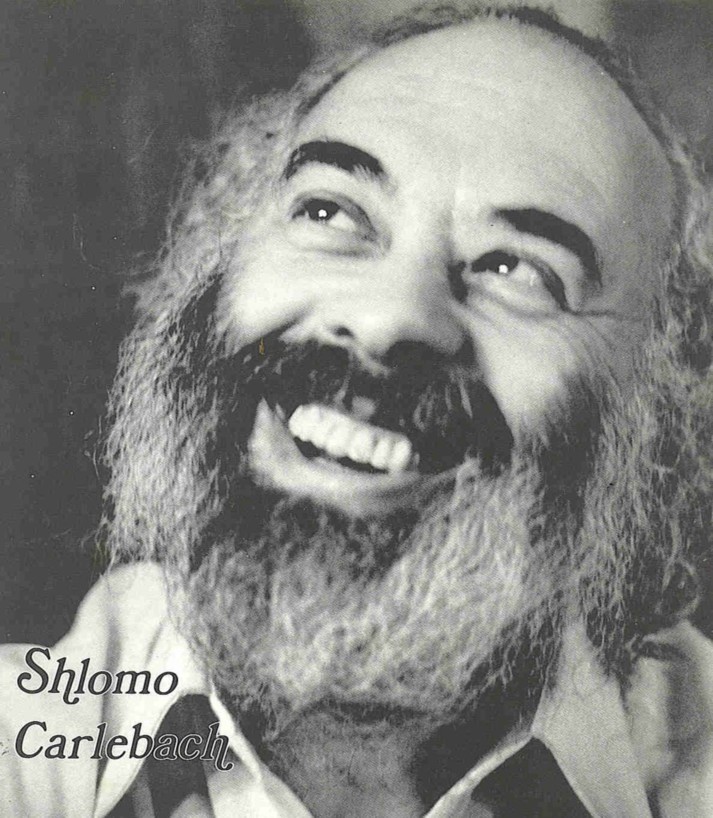
Reb Shlomo and Me

A Tribute to Reb Shlomo 
Introduction
The 16th of Cheshvan is anniversary of the passing of Reb Shlomo Carlebach – the greatest musician and storyteller of the last century, beloved and missed by his students and all who came to know him. He is called “the sweetest of the sweet, some called him the ‘Hippie Rabbi.’” The spark of Reb Shlomo’s teaching that “Rachel represents the holiness of the end,” applies perfectly to himself, who passed away exactly five days after her yahrtzeit. I’ve never told the story of my special connection with Reb Shlomo and how Midreshet B’erot Bat Ayin owes her existence to him. So I decided to take this opportunity to share it with you. I personally experienced how the following Talmudic dictum: “Tzadikim (the righteous) are even greater in their death than during their lifetime” (Chulin 7b) applies to Reb Shlomo. I express this personal experience in the poem I wrote soon after his passing. Read on to find my poem below: “Mourning the Loss of the Rabbi I Never Had,” and learn about how Reb Shlomo’s passing touched my soul. I have also included my take on the controversy over touching women.

Was he a Rabbi or not a Rabbi?
The other day as part of my teaching at Midreshet B’erot Bat Ayin, I was sharing a Shlomo story. When I began the story by saying, “Rav Shlomo Carlebach tells…one of my students asked, “Rav Shlomo Carlebach? Was he a Rabbi? I thought he was just a singer.” I remember myself thinking the same thing many years ago before he left this world. In a way, Rav Shlomo was so hidden even when he was so famous. Everybody knew his music and melodies. That is, we didn’t always know that so many of the well-known melodies we would sing so often were actually Shlomo songs. This was about thirty something years ago when I was newly religious, I was taught in the Yeshiva that Shlomo Carlebach was a great singer, but certainly no Rabbi.

Hidden Torah Scholar
It was only after his petira (passing) that I learned how great a talmid chacham (Torah scholar) Rav Shlomo was, as a top student of the famous Lakewood Yeshiva, and as a teacher of the very deepest Chassidic Torah. Many Rabbis were against him because he touched women. Everyone warned us that there was something not so kosher about Shlomo Carlebach, so that’s what I thought too, until the day he left this world and touched my soul. It was only after his passing that I received a flash of his amazing greatness.

His Passing Touched My Soul
I remember it clearly. It was a Friday afternoon exactly 19 years ago when I was cleaning my caravan for Shabbat here in Bat Ayin, that I received a phone call about Rav Shlomo’s passing. At that moment the very strangest thing happened to me. I began crying and crying and crying, tears didn’t stop flowing while I couldn’t stop singing Reb Shlomo’s nigun: “Yitgadal v'yitkadash….” over and over again. In the Bat Ayin Beit Knesset (synagogue) that Friday night everyone were crying to Rav Shlomo’s most heartfelt prayer tunes. It was an unforgettable Friday night tefilah. The next day I took my guitar and began to play and sing Shlomo tunes while I my tears continued to flow as if from an inexhaustible wellspring. I don’t know what was happening to me, as I never felt especially close to Reb Shlomo during his lifetime. I was never one of his students. I didn’t even recognize him as a spiritual giant at all. It was like a magnet pulling me towards his spirit, as if a spark of his neshamah had entered my heart, and stirring it up. I would go to his kever (grave) regularly, recite Song of Songs and cry more. Then I started to learn Reb Shlomo’s Torah and discovered its depth.

The Controversy over Touching Women
My personal experience made me revaluate what I had been taught about Reb Shlomo in Yeshiva about touching women. I read so many amazing stories about him, for example how he would call a certain woman in the middle of the night asking how she was doing, when at that very moment the woman was about to commit suicide, and she was saved by this phone-call. There were many many other stories about how Reb Shlomo saved people from both physical and spiritual death. His love and care for everyone was so strong, and he, therefore, had the ability to bring so many souls close to Hashem, like Avraham our father. So what do I think about his touching of women? I think that we cannot judge him on that. What do we know? What do we know? I actually had the opportunity to meet Rav Shlomo myself, and he never tried to touch me. I believe he clearly respected the women who kept the halachot of shomer negiah. I believe he touched people (not just women) as a way to connect with them, comfort them, give them the love they never received as children. I believe he brought so many Jewish souls back to their source through his touch. So how can we judge him? Although it’s important to emphasize that we can’t emulate Reb Shlomo in this area, whatever he did was just for him, we, regular people, must be meticulous in keeping the halachic gender distance. But Reb Shlomo was on a different level, perhaps his touching can be compared to the touch of a doctor. Perhaps we can say, “A doctor needs to touch even women in order to heal their bodies. Reb Shlomo needed to touch even women in order to heal their souls.”

Inspired by Shlomo’s Soul to Conceive the Midrasha
The new closeness I felt with Reb Shlomo after his passing stayed within me, it sparked my learning and my singing. It guided my steps and infused my guitar with Shlomo tunes. I’m convinced that it was Reb Shlomo’s spirit that inspired me to conceive the vision of Midreshet B’erot Bat Ayin and carry it into reality about a year after his passing. That first year at our dear Midrasha, the students of that year were all Reb Shlomo fans. One was even Sarah Witt, from a family which was part of the inner circle around Reb Shlomo. We didn’t stop singing Shlomo nigunim that year and we are still singing them today.

Rachel and Reb Shlomo Represent the Holiness of the End
During every holiday season I’m glued to my dear “Lev HaShamayim” Shlomo Carlebach book with teachings about each of the holidays in Hebrew, transcribed and annotated by Reb Shmuel Sivan. Just as I couldn’t stop crying the year of his passing, I still can’t stop reading his teachings over and over again. I like to end with a short teaching of Reb Shlomo about Rachel, which I believe also applies to himself, who was so connected to the Land of Israel.

“Rachel is weeping for her children” (Yirmeyahu 31:14). Because Rachel was the first Jew who met a Jew who had lost Eretz Yisrael. After Ya’acov left Eretz Yisrael, the first Jew he met was Rachel. And the Torah says that when he met Rachel. “He lifted up his voice and cried” (Bereishit 29:11). You know what he told her? He taught her how a Jew feels when he misses Eretz Yisrael. Therefore, Rachel is the master of how a Jew feels when he has lost Eretz Yisrael.

Rachel represents the holiness of the end. Rachel teaches us what to do when we lose Eretz Yisrael. Rachel herself goes through the whole thing – she is losing Ya’acov. When she gave over the signs, gevalt was she crying. Rachel teaches us how to respond when we miss something. So here is my poem of response to how I miss Reb Shlomo – the Rabbi I never had.


Mourning the Loss of the Rabbi I Never Had
Your love for all
was darkened to me
by the ardent expression
of your love for all

My shell of fear
made me fail to feel
What you meant to Israel
and to me

I had learned to divide
Between Good and Evil
Right and Wrong

I failed to know
You could join
and reach beyond
to the Tree of Life

The angels taught you
The tunes which penetrated
Our reality becoming part
Of the air we breathe

You taught us the soul
Of the words of G-d
Through your melodies you reached
Where mere words could not

Now that your spirit
Is stripped from its remains
Your presence fills
My world with love

A love and compassion
Which I failed to reach
Of a father I always needed
The Rabbi I didn’t sanction

May all the tears
I have shed for you
Capture some of your love
And imbue it to others

May your spirit let me hear
What I failed to behold
When you were near

Let one of your sparks reach
My heart and teach
Me a touch of the love
You had for all

Tuesday, October 8, 2013

Jewish Mother’s Day

Rachel our Mother’s Yahrtzeit (Anniversary of Passing)
Introduction
B'erot trip to Mama Rachel
It happened again just now, the phone rang and someone asked to speak with my mother! I guess I really have childish voice. So if someone is trying to sell me something or any other phone call that I’m not interested in, I can truly say, “My mother is not here,” and end the conversation. While my biological mother lives far away in Denmark, the spirit of my spiritual mother, Rachel lives on, right around the corner on the way to Beit Lechem (Bethlehem) from my home in the Judean Hills.

I truly believe that the reason all of Gush Etzion, Chevron and the surrounding areas are in Jewish hands is because of Mama Rachel! Her tomb is the connection point between Jerusalem and the Judean Hills. According to our tradition the anniversary of Rachel Imainu’s passing is on the 11th of Cheshvan (this coming Monday night and Tuesday). No-one really knows how we know the exact date of her passing several thousand years ago. We do not know the date of the yahrtzeit (anniversary of passing) of the remaining matriarchs or patriarchs. However, the date of the passing of Rachel is important. It marks Jewish Mother’s day, as it is exactly 41 days from Rosh Hashana, which is the numerical value of the word אֵם/em – mother. For Rachel is our mother in the deepest sense. The anniversary of her passing would be a suitable time to celebrate “Jewish Mother’s Day.”

Why do you think Rachel is called “our mother” more than any of the other matriarchs? 
Read on to see my answer and submit yours.


Why are we called the children of Rachel? Aren’t only the descendants of Yosef and Binyamin Rachel’s children?
When it states that “Rachel is crying for her children,” it doesn’t only refer to Yosef and Binyamin, rather all the twelve tribes are her sons. They were conceived in her merit, when she handed over her secret signs to Leah and thus allowed her to become the mother of Ya’acov’s children. Rachel, our mother, was a mother even before she gave birth to the fruits of her womb. Even barren women can be mothers. What is a mother? She is someone who gives everything she has to another. Through Rachel’s unconditional love for her sister, she gave her everything dear and good with her full heart. She gave up the love of her life without being aware that she too would become Ya’acov’s wife. Through her otherworldly sacrifice Rachel gave even motherhood to her sister. The Hebrew word for mother: /אֵםem, also means “if” or “condition.” A mother is the condition of life. She is the one who assures the continuation of the world by her making space for others. Please write me your comments of how it is possible to be a mother even before or after giving birth to biological children.

We are All Rachel’s Children
I believe that more than any other place in the world, Rachel’s tomb is the place to pray for children. In my yearning for renewed motherhood I have always felt so connected to Rachel. Before they made the new bypass road I used to pray at Rachel’s tomb all the time, as I would pass it on my way home from Jerusalem. During my 14 years of secondary infertility I cried at her tomb and constantly prayed to be blessed with another child like her.

Returning Home for Rachel’s Sake
The haftorah for the second day of Rosh Hashana teaches us how Rachel cries for her children, and refuses to be comforted until all her children – the Jewish people – will return safely from exile to their own borders. It was her merit and not even Akeidat Yitzchak (the binding of Isaac) that had the power to arouse the mercy of Hashem who promised her: “For your sake Rachel, I will return the children of Israel to their place.” (Midrash Rabbah, Eicha, introduction, piska 24)

כֹּה אָמַר ה’ קוֹל בְּרָמָה נִשְׁמָע נְהִי בְּכִי תַמְרוּרִים רָחֵל מְבַכָּה עַל בָּנֶיהָ מֵאֲנָה לְהִנָּחֵם עַל בָּנֶיהָ כִּי אֵינֶנּוּ:(טו) כֹּה אָמַר ה’ מִנְעִי קוֹלֵךְ מִבֶּכִי וְעֵינַיִךְ מִדִּמְעָה כִּי יֵשׁ שָׂכָר לִפְעֻלָּתֵךְ נְאֻם ה’וְשָׁבוּ מֵאֶרֶץ אוֹיֵב: (טז) וְיֵשׁ תִּקְוָה לְאַחֲרִיתֵךְ נְאֻם ה’ וְשָׁבוּ בָנִים לִגְבוּלָם: ירמיהו לא:יד-טז
Thus says Hashem, a voice was heard in Rama, lamentation and bitter weeping.
Rachel weeping for her children, she refused to be comforted for her children, because they are not. Thus says Hashem: keep your voice from weeping and your eyes from tears: for your work shall be rewarded says Hashem; and they shall come back again from the land of the enemy. And there is hope for your future, says Hashem, and your children shall come back again to their own border (Yirmeyahu 31:14-16).

Signs and Bitter Exchange
The word for bitter in “bitter weeping” is תַמְרוּרִים/tamrumim, which can also mean exchange. In exchange of Rachel’s amazing deed, to let herself be exchanged with Leah at the wedding night, G-d will exchange her children from their bitter exile. The word tamrurim also means signs like the secret signs that Rachel gave to Leah. In the merit of her giving over these signs that allowed Leah to marry Ya’acov, in the future, Rachel will become the signs for her children to return.

Tapping into Rachel’s Connection with the Holiness of the Land
There is none of all the mothers and fathers that represent the Land of Israel and its holiness more than Rachel. She gave over her soul for the sake of the holiness of the Land of Israel, and the mitzvah of making aliyah to it. This is why she remains the mother who escorts her children to exile and who is promised that her children will return to their border. She gave birth and died in the Land of Israel – connecting the souls of her children eternally to the Land of Israel. She was meant to marry Ya’acov, but she gave up her true soul-mate for a time, yet eventually was reunited with him. Likewise Jews are meant to live in Israel even if we temporarily have to be exiled. Eventually we will be reunited and returned to our true place.

Self-Sacrifice for the Sake of the Land of Israel
Rachel was willing to give over her life for the sake of the Land of Israel. Her self-sacrifice on some level was even greater than even Akedat Yitzchak. Ya’acov had married two sisters although this is forbidden in the Torah (Vayikra 18:18). However, this was outside of Israel, for the mitzvot are only binding in the Land of Israel (Ramban, Bereishit 26:5). It was Rachel’s excitement to return to the Land of Israel that indirectly caused her death. Rachel was aware that as soon as they would enter the Land of Israel, she would die, since she was married after Leah, and therefore through the prohibition of marrying two sisters. In spite of this prophetic awareness (Agadat Bereishit 52), she encouraged Yaacov to travel there immediately. When Ya’acov asked his wives whether they agreed to leave their childhood home and journey to the Land of Israel as Hashem had commanded him (Bereishit 31:3), Rachel was the first to agree:

וַתַּעַן רָחֵל וְלֵאָה וַתֹּאמַרְנָה… (טז) וְעַתָּה כֹּל אֲשֶׁר אָמַר אֱלֹהִים אֵלֶיךָ עֲשֵׂה: ספר בראשית לא: יד
Rachel and Leah answered and said…Now do everything that G-d told you! (Bereishit 31:14-16).

With these words that Rachel consciously and through free choice sacrificed herself for the sake of the completion of the birth of the twelve tribes in the Land of Israel, although she was only thirty-six years old.

How to Celebrate Mama Rachel’s Yahrtzeit
Perhaps it would be fitting on the Rachel’s yahrtzeit to spend a few moments thinking about how to connect with Eretz Yisrael. For those who live here already, we could do something to anchor ourselves even more to the land such as planting a tree or reaching out to others to help them make aliyah. For those who still live outside the Land, on this one day try to feel the wish to overcome the obstacles, and return home – that may help dry a few of Rachel’s tears.
Please submit your comments for a meaningful way to celebrate the yahrtzeit of Rachel.

Wednesday, October 2, 2013

The Month of Cheshvan: Rectifying the Sense of Smell

Introduction
Rebbetzin in her Sukkah
It is always a bit sad to take down the Sukkah. It is like bidding the Shechina (Divine Feminine Indwelling Presence) farewell.

Now it’s all over, no more festive meals with the family, the children go back to school and we are alone again with a feeling of nostalgic emptiness. When I go down to pick figs I find they are finished on the tree, and so are the apples, plums, pears and most of the fruits in the garden. The leaves are falling off the trees, yet the grass is getting greener from the added dew and moisture in the air. So now what?

I dry my fruits to conserve them for the winter, and I pray for rain. Just as the trees are going to start all over, turning inward, strengthening their roots and preparing for sprouting forth new growth coming spring, I turn inward – returning to my roots, refining my teshuva. If I don’t want all my Yom Kippur resolutions to evaporate, I need to integrate and take the insights I’ve received during the holidays of Tishrei into my daily day routine. Now as I process my fruits making jam, jellies, dried fruit and applesauce is the time to process myself – the fruit harvested by Hashem. Reminding myself of my goals and practicing ways to actualize them in my life.

Read on why the month of Cheshvan is created specifically for this purpose of processing and integrating...


The Spiritual Attributes of Cheshvan
המליך אות נ' בריח וקשר לו כתר וצרפן זה בזה וצר בהם עקרב בעולם, וחשון בשנה, ודקין בנפש זכר ונקיבה
“He made the letter nun king over scent and He tied a crown to it and He combined one with another and with them He formed Scorpio in the Universe, Cheshvan in the Year, and the small intestine in the soul, male and female.” (Sefer Yetzirah 5:9)

Cheshvan: A Vessel for the Lights of the High Holidays
The month of Cheshvan serves as the vessel to hold all the lights of the many holidays we just celebrated during the month of Tishrei. This is why Cheshvan does not even have one minor holiday. During the month of Tishrei, we taste of the great Divine lights. In Cheshvan, even though the taste is gone, the fragrance still remains, just as the fragrance of our etrog remains long after Sukkoth. The month of Cheshvan serves as a channel that allows all the spiritual heights of Rosh Hashana, Yom Kippur, Sukkoth, and Simchat Torah to permeate the entire year. This is similar to the ritual of havdalah, where we partake of pleasant smelling spices/herbs in order to allow the lights of Shabbat to infuse the coming week with its lingering fragrance.

Turning Inward – Strengthening our Roots
The letter of the month is nun. The letter nun appears tall and barren, save for its thick root. The final nun appears completely barren, but for a root that grows deep under the surface, much like a scorpion whose tail is longer than its body. Following a rich harvesting of the fruits of our spiritual efforts, during the month of Cheshvan our focus turns inward toward our roots. In the same manner, the tree, relieved of the burden of its heavy fruit, delights in the return of the healing rain that follows the long dry summer season. In Tishrei we planted the seeds, and in Cheshvan, we wait for the rain to water the seeds. The holidays of Tishrei are the seeds of the entire year, and in Cheshvan we need to bring these seeds into fruition with our Torah learning. The first rain in Cheshvan is called yore, from the same root as Torah, as it is likened to the teachings of the Torah that come from above.

Processing, Integrating and Refining
Rabbi Yitzchak Ginsburg explains that the organ of the month: the intestines (dakin), derives from the word “minute” (dakah) or “particle” (dak). It implies the power to dissect into fine, refined parts. This is the process used to prepare the incense for the Temple. All of the sacrifices in the Temple service are meant to produce a satisfying aroma (rei'ach nichoach) and please the Divine sense of smell, which implies the Divine satisfaction with the service of His children. We read about the first expression of this Divine satisfaction during the month of Cheshvan, when Noach offered his sacrifice to G-d on the 28th of Cheshvan. It is the fats of the intestines that when offered on the altar produces the satisfying aroma for G-d. For this reason the intestines are connected with the sense of smell. The intestines do the final job of digesting. Likewise, during the month of Cheshvan, it is our job to do the final spiritual digestion of the lights we received during the previous month of Tishrei. It this time we have the opportunity to process, integrate and refine the teshuva we experienced during the previous month.

I want to bless all of us that during this month of Cheshvan, we will be able to do the difficult inner work of spiritual and personal transformation, integrating the spiritual heights we experienced during the month of Tishrei. May we be able to translate the visions we received in Tishrei into reality, and let go of the blocks that prevent us from going forward in our lives. May we purify ourselves from the old which is no longer essential so that we are can contain the new.

With blessings for digging deeply beyond the surface and getting rooted,
Chana Bracha Siegelbaum