Showing posts with label conquer the land. Show all posts

Wednesday, September 4, 2024

Parashat Shoftim: How Can We Overcome Fear During War?


Parashat Shoftim
How Can We Overcome Fear During War? 


Must We Fear Retaliation After Israel Attacks? 
We here in Bat Ayin, Israel, and around the world are actively awaiting the final Geulah (redemption) when Hashem will show His strong hand and perform revealed miracles even greater than in the Exodus from Egypt. Meanwhile, we experience innumerable hidden miracles, that attest to the overt miracles to come.  It is still a great test to trust in G-d and overcome any tinge of fear. I must admit that I became a bit worried when I heard that Israel’s airport shut down on Sunday, August 25, hours after my husband was safely on a flight to visit his mom in New Jersey for her 94th birthday. I didn’t know then that the shutdown would be brief, so I was concerned about my husband being able to return back home according to schedule. My mom told me very worriedly that the airport was closed because Israel had attached Lebanon and retaliation was expected. Many of my non-religious family members get terrified each time Israel strikes, in fear of reprisals. It seems that they are unaware that the only way to stop the terrorism of Islamic Yihad is by showing strength and making it clear that the Arabs have no capability to defeat us. Only then, According to Islamic law, are they exempt from their ‘mitzvah’ to wage war. Islam regards compromise as an expression of weakness. If compelled to agree to a cease-fire, they consider it only a respite to prepare for the continuation of war. In the interim, they will try to weaken their opponent through terrorist attacks and raids as we have experienced here in Israel over and over again. Their religion commands them to keep attacking till they defeat the enemy. If they are unable, at the very least they will attempt to sedate him with lies, and when the opportunity arises, they will attack again. All Muslims share the desire to return Arab rule over the Land of Israel. The debate between the moderates and the extremists is whether to conduct an overt, all-out war against us, or first, to emasculate and weaken the State of Israel using agreements and political pressure, and only afterward, take it by force. Any attempt at compromise or looking for a “political horizon,” instills hope within the Arabs that they can defeat us, and as a result, encourages terrorism and war (Based on Rabbi Eliezer Melamed, Israel and the West Opposite Islam). So, I had to remind myself and my mother, not to panic in fear of retaliation because only when Israel shows her strength can we be safe. 

Shaking off the Shackles of Fear to Experience Divine Protection
Later I found out about the amazing miracle that had taken place, and how Hashem is leading Israel to victory behind the scene. The recent preemptive strike by Israel on Lebanon is nothing short of an incredible miracle. From the news reports the Israeli army had about 30 minutes to coordinate 100 planes with 100 fighter pilots in the air together in formation to hit over 200 targets simultaneously to keep the element of surprise to avert Hezbollah’s planned attack. From 4:30 when the decision was made, 100 pilots were in the air all flying in formation ready to hit their targets before the 5 AM deadline that Hezbollah had set to launch an all-out attack of 6000 missiles towards Israeli civilians while they were still sleeping. Wow! That is nothing short of a historic miracle again after the recent one with Iran. Then on top of it, Hezbollah launched upwards of 320 missiles/projectiles at Israel of which very few hit their targets. So in a sense, it’s like a double miracle. If anyone is not thinking that G-d is protecting us, hopefully, this will be a wake-up call to realize the G-d of Israel has His hand over the Jewish people and our land. Once again, Israel gives military historians yet another miraculous military accomplishment to think about (Hananya Naftali, Israel News). Sadly, not everyone shares this outlook, but focus on the casualties, the uncertainty, and the fear. I totally understand mothers who struggle to fall asleep at night, when they have sons fighting on the front lines. It is indeed difficult to shake off the shackles of fear, and truly experience Divine protection.     

What Can We Do to Be Assured of Victory in War?
Most of the second half of Parashat Shoftim (Chapter 20) is devoted to the subject of warfare. The first principle of war for Israel is not to be afraid but to trust that Hashem will save us:

ספר דברים פרק כ פסוק א כִּי תֵצֵא לַמִּלְחָמָה עַל אֹיְבֶךָ וְרָאִיתָ סוּס וָרֶכֶב עַם רַב מִמְּךָ לֹא תִירָא מֵהֶם כִּי הָשֵׁם אֱלֹהֶיךָ (ג) וְאָמַר אֲלֵהֶם שְׁמַע יִשְׂרָאֵל אַתֶּם קְרֵבִים הַיּוֹם לַמִּלְחָמָה עַל אֹיְבֵיכֶם אַל יֵרַךְ לְבַבְכֶם אַל תִּירְאוּ וְאַל תַּחְפְּזוּ וְאַל תַּעַרְצוּ מִפְּנֵיהֶם :(ד) כִּי הָשֵׁם אֱלֹהֵיכֶם הַהֹלֵךְ עִמָּכֶם לְהִלָּחֵם לָכֶם עִם אֹיְבֵיכֶם לְהושִׁיעַ אֶתְכֶם:
“When you go out to war against your enemies, if you should see horses, chariots, and armies that outnumber you, you shall not be afraid of them, for Hashem your G-d is with you who took you out of the land of Egypt. When you draw close to the battlefield… Hear O Israel, today you draw close to wage war against your enemies. Let not your heart be faint, you shall not be afraid, do not fear, neither shall you be terrified because of them! For Hashem your G-d goes before you, to fight for you against your enemies, to save you!” (Devarim 20:1, 2-3).

The strong message from these verses is to not fear for G-d will not abandon His people to defeat, as long as we trust in Him. Those who are afraid are therefore wisely exempted from war so that their fear will not become contagious and weaken the army morale. Rashi explains that if you execute righteous judgment, you can be assured of victory when you depart for war. Similarly, David says, “I performed justice and righteousness; do not leave me to my oppressors” (Tehillim 119: 121). - [Tanchuma] (Rashi, Devarim 20:1). This offers an interesting take on the fear of war, which essentially is the fear of sin (the opposite of performing justice and righteousness). Thus, the current war offers the opportunity to work on ourselves, to become the very best version of ourselves, so that we will have nothing to fear. The continuation of Rashi’s commentary also holds a pertinent message for our times: AGAINST YOUR ENEMIES - Let them be in your eyes as enemies; have no pity on them, for they will have no pity upon you. (Ibid.). In our time of liberalism and tolerance, the word “enemy” had almost become like an F word. There is virtue in seeing the good in everyone, even in our adversaries, but not to the detriment of our own lives. Rashi’s simple succinct message to not pity our enemies (whether civilian or not?!) is one of the main principles of war that we can learn from Parashat Shoftim

The Importance of Continuing to Build, Plant, and Raise Families in The Land of Israel 
There are three additional exemptions from war: 1. The man who has built a new house but has not yet dedicated it 2. The man who has planted a vineyard but has not yet eaten of its fruit? 3. The man who has betrothed a woman but has not yet taken her in marriage? (Devarim 20:5-7). Although we all cry for every fallen soldier, there is something even more tragic if a soldier about to be married dies. This would be a source of even greater grief (Rashi, Devarim 20:5). The grief caused by the house remaining incomplete, the vineyard untended and the woman bereft of her future husband is so overwhelming that it could cause despondency and giving up hope of a brighter future. The Torah message for us is that even as the war is raging, we must continue building houses, and inhabit them, plant vineyards, enjoy their fruit, and raise families. It is precisely because these three pursuits are in the national interest, that they must be continued even during war. Otherwise, the tragic repercussions of disrupting the continuous building up of our homeland, G-d forbid, would be more detrimental to the national morale than the fearful soldier. Rashi reminds us that we must continue to live, build cities, cultivate the earth, and raise children even during the war. Therefore, let these men return and be released from warfare so that they might show their compatriots that real victory over the enemy means never succumbing to despair. Rashi also has a vital message for those of us who aren’t enlisted in the army at this time. Our job in continuing to build, plant, and raise families in the land of Israel is no less vital. Let us not succumb to despair and let our gardens lay fallow. Now, more than ever is the time to dedicate ourselves to building our land and getting ready to sow the winter crop! 

Gratitude Focus for the Week of Parashat Shoftim
Some Tips on How to Overcome Fear During War
War anxiety, sometimes known as nuclear anxiety, is a surprisingly common reaction to the news and images about conflict. We are still learning about the long-term effects of worries related to mass violence. A Finnish study found that adolescents worried about nuclear war were at increased risk for common mental disorders five years later. People prone to anxiety are also more likely to seek out media coverage of crises, which may perpetuate a cycle of distress. War anxiety can gradually sneak up on people, or it can present suddenly in response to a trigger. Symptoms can be in one’s mind, body, or both. Physical symptoms of anxiety may include a racing heart, butterflies in the stomach, nausea, or dizziness. Some people develop full-blown panic attacks. For others, war anxiety presents as worries that spiral out of control, trouble sleeping, restlessness, or nightmares. Others may feel numb. Keep in mind that anxiety is often an appropriate response to life stressors, and a small amount of anxiety is adaptive – it signals your body to take a threat seriously. When your mind is preoccupied by war, or when you experience muscle tension or other physical symptoms, here are some strategies that can help you break the anxiety cycle.

Limit your media exposure. Emotionally gripping news sells, and news that affects you negatively is more likely to be addictive. Breaking the habit of checking the news regularly may be the single most effective change in combating war anxiety. Attempt to limit your exposure (including social media) to less than 30 minutes daily, and try to avoid exposure before bed.
Reach out to others. Channeling anxiety into meaningful connection may lower your sense of helplessness. If you have a friend or acquaintance with a son on the frontlines, consider checking in to offer support. 
Cultivate compassion. War anxiety can trigger anger, which also has its roots in loss of control. Anger can be directed toward populations or ethnic groups, or it may be displaced onto family members or friends with a different view. In addition to interventions such as mindfulness, physical activity, and breathing exercises, anger can be effectively challenged with compassion. Start by paying more attention to kindness around you, attempt to limit your judgments, and try to appreciate other perspectives.
Change your routine. Limiting media exposure, news updates, and political discussions will increase your free time during the day. Unfortunately, unstructured time usually results in more worrying, as our brains are hard-wired to do. Try to incorporate these anxiety-reducing activities instead:
Walk in the forest. Research suggests that as little as 15 minutes in nature can relieve stress and anxiety.
Increase the intensity of your physical activity. Any aerobic activity can reduce anxiety, but the higher the intensity of exercise, the greater the effects on anxiety.
Practice deep breathing and mindfulness. To reap the benefits, try to practice every day. Guided mindfulness can be done in person, or at home with CDs or mobile applications. Breathe, Relax is a free and evidence-based mobile app that teaches deep breathing exercises (Based on Stephanie Collier, MD, MPH, Contributor; Editorial Advisory Board Member, Harvard Health Publishing, War anxiety: How to cope, May 23, 2022).
Notice Hashem’s miracles and practice seeing Hashem’s protective hand over Israel and your life. Breathe bitachon (trust) of Hashem into your heart and work on believing that Hashem knows what He is doing, and that all is for the best! 
Don’t forget to thank Hashem for His miracles and protection. The more you keep thanking Hashem, the more peace of mind you will generate, for yourself and those around you! 


Wednesday, July 31, 2024

Parashat Matot/Masei: What is the Torah View on Recruiting Yeshiva Students for the Israeli Army?

Printable Version

Parashat Matot/Masei
What is the Torah View on Recruiting Yeshiva Students for the Israeli Army? 


Gratitude for Our Soldiers’ Self-Sacrifice to Fight our Torah Mandatory War
My heart is filled with gratitude towards the IDF – Israel Defense Forces. Before we had an army to defend ourselves, Jews went like sheep to the slaughter during the Holocaust, and Arab marauders murdered Jewish civilians right and left. Before we had our own army, old men were knifed, and women were raped by our ‘cousins’ while the British looked the other way. Without our brave and holy soldiers where would Israel be today? Personally, I doubt that I would have been able to return to my land and my roots had it not been due to the relative security we experience in the State of Israel thanks to the IDF.  Now about 300 days into the current Gaza war, things aren’t easy, and the high spirit of unity when the Yeshiva students prepared Tzitzit for the soldiers is threatening to break apart. Hashem is testing – not only our military resilience – but especially our moral strength and endurance. Now more than ever we are called upon to remain united against all the odds. This implies supporting our leadership even if we don’t agree about everything. During a war, it is not the proper time to criticize and protest against our prime minister. He needs our backing and support to be successful and bring about our victory. I’m thankful to Binyamin Netanyahu for standing up strongly for Israel’s right to defend itself against world opinion and sadly even against some of our own people. There is no question that our current war is a milchemet mitzvah (mandatory war from the Torah), which entails the mitzvah of saving Jews from attacking enemies, and the mitzvah of settling the Land of Israel.  
I support the Supreme Court ruling on June 25, 2024, that the Israeli government must enlist draft-age Charedi men into the military. After 76 years of exemption and political and societal controversy and strife over it, there is now a legal obligation for young Charedi men to join their Jewish Israeli comrades and serve in the military.  When it comes to a milchemet mitzvah – “the entire nation must go out to war, even a groom from his chamber, and a bride from her Chuppah” (Rambam Laws of Kings 7:4). The difference between the mitzvah of fighting a war, as opposed to the standard mitzvah of saving a life, is that the mitzvah of fighting a war requires mesirut nefesh (self-sacrifice), which overrides the obligation to protect one’s own life (Rabbi Eliezer Waldenberg, Responsa, Tzitz Eliezer 13:100). For this self-sacrifice of our young men and women for the sake of protecting us all I’m overwhelmingly grateful.

The Mitzvah of Enlisting in the Israeli Army
Rabbi Eliezer Melamed asserts that anyone who claims that there is no mitzvah to serve in IDF is not a Torah scholar. Our Torah repeatedly commands us to go out to war to conquer the Promised Land. The mitzvah of settling the land equals all the mitzvot (Sifre, Re’eh, Parasha 53). It overrides saving the lives of individuals as we were commanded to conquer the Land of Israel, and the Torah doesn’t expect us to rely on a miracle. Since there usually is no war without casualties, the mitzvah to conquer the Land obligates us to endanger lives for it (Minchat Chinuch 425, 604; Mishpat Kohen p. 327). Although the mitzvah of Torah learning is equated to all the mitzvot, the basic rule is that any mitzvah that cannot be performed by others overrides Torah learning (Babylonian Talmud, Mo’ed Katan 9a). This principle applies to serving in the army. Army service overrides Torah study when there are not enough soldiers for Israel’s security. However, when Israel’s security doesn’t warrant recruiting all young men, the Jewish nation must exempt students worthy of developing into Torah scholars so they can grow and become rabbis and educators. These few selected serious Yeshiva students must continue learning in yeshiva for several, unlimited years, to benefit all of Israel – provided they do so with respect and appreciation for the soldiers protecting our nation and country. Then their Torah learning can fully contribute to raising the spirit and courage of Israel. Since the inception of the state of Israel until recently, Israeli law granted full exemption from military service to roughly 20% of all yeshiva students. For this, the Chareidi community should have expressed gratitude to the State of Israel instead of complaining and criticizing.  If the Chareidi leadership invested even a fraction of the energy – used to fight against enlistment – into demanding more suitable conditions for Torah-observant soldiers, it would lower the risk of the spiritual decline of the religious youth serving in the army. When more Yeshiva students enlist in IDF, it will influence the army to follow Torah law and engender greater sanctity. As a result, the security of Israel will be greatly strengthened, and we will B”H merit the Final redemption. (Rabbi Eliezer Melamed, The Hareidim and the Mitzvah to Serve in the I.D.F.)  https://blogs.timesofisrael.com/hareidim-and-the-mitzvah-to-serve-in-the-i-d-f/ This article was written in 2014, how much more is it relevant today during our current longwinded war.

Taking Responsibility to Fight Side by Side with Their Brothers to Conquer the Land                    The Torah in Parashat Matot teaches us about the appreciation due to the soldiers going to war to conquer the land of Israel through the request of the tribes of Reuven, Gad, to receive land portions outside of Israel. Moshe was at first opposed to permitting these tribes to get a land portion on the other side of the Jordan River, which he felt would demoralize the soldiers:

ספר במדבר פרק לב פסוק ו וַיֹּאמֶר משֶׁה לִבְנֵי גָד וְלִבְנֵי רְאוּבֵן הַאַחֵיכֶם יָבֹאוּ לַמִּלְחָמָה וְאַתֶּם תֵּשְׁבוּ פֹה(ו) וְלָמָּה (תנואון) תְנִיאוּן אֶת לֵב בְּנֵי יִשְׂרָאֵל מֵעֲבֹר אֶל הָאָרֶץ אֲשֶׁר נָתַן לָהֶם הָשֵׁם:
“[Thereupon,] Moshe said to the descendants of Gad and the descendants of Reuven, ‘Shall your brethren go to war while you stay here? Why do you discourage the children of Israel from crossing over to the land which Hashem has given them?” (Bamidbar 32:6-7).

Moshe only agreed to the request of those tribes after they voiced their complete commitment to the Jewish mission of conquering and settling the land of Israel:

ספר במדבר פרק לב פסוק יז וַאֲנַחְנוּ נֵחָלֵץ חֻשִׁים לִפְנֵי בְּנֵי יִשְׂרָאֵל עַד אֲשֶׁר אִם הֲבִיאֹנֻם אֶל מְקוֹמָם וְיָשַׁב טַפֵּנוּ בְּעָרֵי הַמִּבְצָר מִפְּנֵי ישְׁבֵי הָאָרֶץ: (יח) לֹא נָשׁוּב אֶל בָּתֵּינוּ עַד הִתְנַחֵל בְּנֵי יִשְׂרָאֵל אִישׁ נַחֲלָתוֹ:

“We ourselves will be ready armed to go before the children of Israel until we have brought them to their place. Our children will reside in the fortified cities on account of the inhabitants of the land. We shall not return to our homes until each of the children of Israel has taken possession of his inheritance” (Bamidbar 32:17-18).

Although the tribes of Reuven and Gad requested to live outside of the Land of Israel, they were well aware that their responsibility to conquer it was no less than those inheriting inside of the land. They not only offered to join their brothers in the battle for the Land of Israel, but these two tribes were even willing to fight at the head of the camp.  Since they committed to be partners in the war like everyone else, Moshe’s concerns abated.

The Torah Values the Soldiers Even More than the Kohanim
Parashat Matot further elucidates the appreciation due to the soldiers through its division of the large collection of spoils that the soldiers – who went to war against Midian – took back with them. Hashem commanded Moshe how to divide the spoils. The booty was to be divided equally between the soldiers and the rest of the population. There were 1,000 soldiers per tribe, 12,000 in total. The census in Parashat Pinchas enumerated a total population of 601,730 (Bamidbar 26:51). It seems an unfair distribution that 12,000 soldiers get the same as the 589,000 rest of Israel.  This teaches us that the soldiers are greatly valued in the Torah, their disproportional allotted share of the spoil expresses profound appreciation for their service. The benefits that our modern Israeli society grants to soldiers who serve our country are rooted in our Torah. The tithes of the Kohanim and Leviim – who provide spiritual strength – are minuscule compared to what the Torah designates for the soldiers.  The Kohanim receive 1/500th of the soldier’s half. The Leviim get 1/50th of the general population’s half. While we value the contribution of the religious leaders the soldiers’ contribution is appreciated even more.

Politically Incorrect Statements about Israeli Warfare Causes Uproar in the Jewish World
When I recently quoted Rabbi Manis Friedman about the Intimacy Crisis one of my students pointed out that many reputable Rabbis have accused him of being a heretic. I was quite shocked as I know him to be wise and erudite in Torah with a special gift of inspiring people of all levels of observance and backgrounds. When I researched the critique and Rabbi Friedman’s response, I found his words taken out of context and the accusations offensive and rude, calling the Rabbi – who has a long white bear – Santa Clause. The vehement attacks didn’t make sense until it dawned on me that it was his radical statements about Torah warfare that elicited such condemnations. In addition to publishing To Win a War (The Jewish Way): A Guide for post-war Sanity Rabbi Manis Friedman’s comments about warfare published in Moment Magazine caused a great uproar and a flurry of criticism from the Jewish world both in the USA and Israel. As the ‘tolerant’ Western world accuses Israel of “murdering innocent civilians” Rabbi Friedman took a bold unpolitical correct stand and wrote: “The only way to fight a moral war is the Jewish way: Destroy their holy sites. Kill men, women and children (and cattle)” – a statement which obviously would arouse massive resistance. Yet this statement may also be taken out of context. The abhorred statement must be understood on the background of “addressing some of the ethical issues related to forcing the military to withhold fire from certain people and places, at the unbearable cost of widespread bloodshed (on both sides!) –  when one’s own family and nation is mercilessly targeted from those very people and places” explained Rabbi Friedman. He also clarified that it was a response to the question of “how to act in time of war, when our neighbors attack us, using their women, children, and religious holy places as shields?” https://crownheights.info/general/18856/rabbi-manis-friedman-clarifies-his-statment/ Whereas the first part of his answer may have been written too harshly, I do believe in the truth of the continuation of Rabbi Friedman’s answer: “The first Israeli prime minister who declares that he will follow the Old Testament will finally bring peace to the Middle East. First, the Arabs will stop using children as shields. Second, they will stop taking hostages knowing that we will not be intimidated. Third, with their holy sites destroyed, they will stop believing that G-d is on their side. Result: no civilian casualties, no children in the line of fire, no false sense of righteousness, in fact, no war…”

Rabbi Manis Friedman’s Radical Statements Concur with the Torah
Rabbi Manis Friedman’s view on war ethics reflects the numerous Torah commandments to conquer and utterly wipe out our enemies in the Promised Land. In Parashat Masai, on the verge of completing forty years of wandering the wilderness, Hashem prepares the Israelites to capture the land of Israel:

ספר במדבר פרק לג פסוק נג וְהוֹרַשְׁתֶּם אֶת הָאָרֶץ וִישַׁבְתֶּם בָּהּ כִּי לָכֶם נָתַתִּי אֶת הָאָרֶץ לָרֶשֶׁת אֹתָהּ:

“You shall take possession of the land and settle in it, for I have given you the Land to occupy it” (Bamidbar 33:53-54).

Rashi understands the word וְהוֹרַשְׁתֶּם/vehorashtem – to mean to wipe out all the inhabitants: 
YOU SHALL CLEAR OUT THE LAND - You shall vacate it of its inhabitants, and then you shall “settle in it.” Only then will you be able to survive there, but if you do not do this, you will be unable to survive there (Rashi, Bamidbar 33:53). The uproar caused by Rabbi Manis Friedman’s reiteration of this concept so clearly expressed by universally acclaimed Rashi displays how greatly the current Jewish world view still is from the Torah outlook.


Gratitude Focus for the Week of Parashat Matot/Masei  –
Some Tips for Showing Gratitude to Our Soldiers

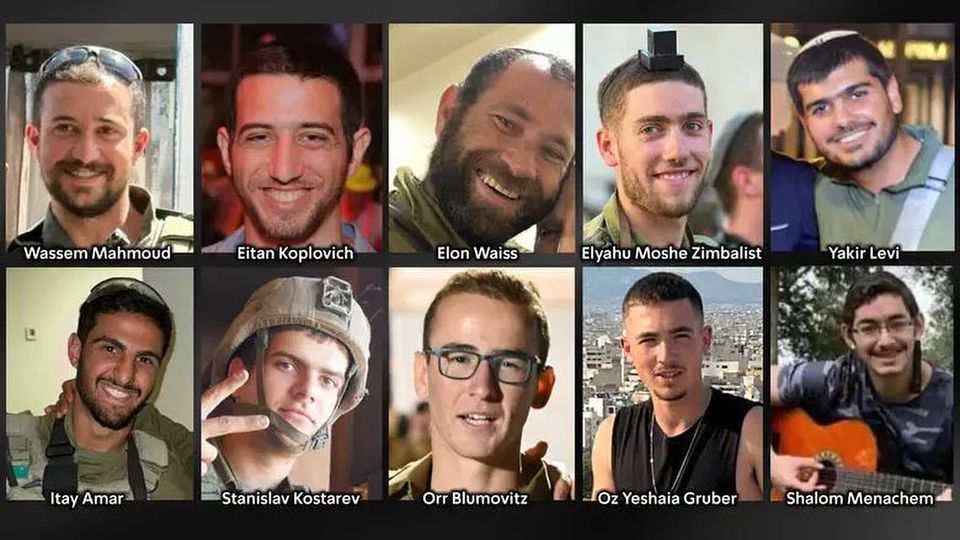
As Israel faces terrorist organizations like Chamas, Chezbollah, and Islamic Jihad, none of whom hide that their agenda is to wipe away Israel from the map, our brave IDF soldiers put their lives on the line to maintain the security of Israeli civilians every single day.  Every one of our soldiers serving during this current war has given more to our people than many of us do in a lifetime Our soldiers, who invest their time, withstand challenges, and are willing to risk their lives to protect the State of Israel from its enemies and ensure the safety of the people they love deserve our undivided gratitude. Here are a few tips on what we can do to express the grateful feeling in our hearts for our dear soldiers:

  •      Pray for the Soldiers Daily – You can pray in your own words from your heart, or you can use the following prayer: May the Holy One, Blessed is He, preserve and rescue our soldiers from every trouble and distress and every plague and illness, and may He send blessing and success in their every endeavor. May He lead our enemies to fall under our soldiers’ sway and may He grant the IDF salvation and crown them with victory!

  • Pray for the Recovery of Injured Soldiers – get a list of names or even one specific name to include in your daily prayers. Several websites provide lists of names of soldiers to pray for. Here is a link to one: https://www.ctvp.org/templates/articlecco_cdo/aid/1182483/jewish/Names-of-Wounded-Soldiers-Who-are-in-Desperate-Need-of-your-Prayers.htm

  • Visit Injured Soldiers in the Hospital – show them empathy, and compassion, and share encouraging words. This means a lot to the injured soldiers. Each visit gives strength and brings about recovery. You could bring books of Tehillim to the injured soldiers and tell them how you pray every day for the soldiers’ safety, how you are thinking about them, and how all over the world, Jews are praying for their recovery. Strengthen the spirit of the injured soldiers and their families‚ by bringing them gifts and providing them with emergency aid and any basic necessities needed. This gives them the strong and important message that they are not alone.

  • Pay Fallen Soldiers Last Respects – As heartrending as it may be, it is a very great mitzvah to attend their funerals and comfort the mourners. By fulfilling these mitzvot you are saying thank you to these soldiers, and their families. You honor what they stood for.  You can also pray for their souls, light a candle for the fallen soldiers, and dedicate specific mitzvot and Torah learning to their soul elevation.

  • Express Your Appreciation for the Soldiers in Writing – You can send messages to soldiers through this email info@israelforever.org. All messages are sent directly to Lone Soldiers through The Lone Soldier Project™ of The Israel Forever Foundation. You may include drawings and photos to warm the soldiers’ hearts. Please note that while all letters are greatly appreciated, not all soldiers will have the opportunity to reply. 

  • Send Care Packages to the Soldiers – They are operating in extreme heat, fighting terrorists day and night, with no access to laundry facilities. The harsh conditions they face make them prone to issues like fungal infections, jock itch, and sunburns, which can become quite serious. Soldiers don’t always have all the items needed to go on long missions or to stay clean and safe. Fresh underwear, socks, protein and energy bars, dried fruits/nuts, headlamps, and tools make a big difference! They also need G-shock watches, head flashlights, portable phone chargers, and more. At all the Lone Soldier Center branches, they have closets full of various basic supplies and items they need. Due to the Israeli customs fees and bureaucracy, don’t send items by mail. Bring the items to Israel or send them with a friend.

  •  Commit to Educating as Many People as Possible – about the importance of the mission of our soldiers to defend the people of Israel against cruel barbarism, and how grateful we should all be for their bravery.