Showing posts with label halacha. Show all posts

Tuesday, December 17, 2024

Parashat Vayeshev: How do We Solve the dilemma of Making Aliyah and Caring for Elderly Parents?

Printable Version

Parashat Vayeshev
How do We Solve the dilemma of Making Aliyah and Caring for Elderly Parents?

Are you Permitted to Make Aliyah While Leaving Elderly Parents Behind? 
When I made aliyah in 1980 it was the best thing I ever did. It was clearly what I had to do, it was simple, and it was smooth without any conflict. My parents were young and strong and definitely didn’t need my help taking care of them. On the contrary, it was a relief for them no longer to have to worry so much about their rebellious teenager. Having just turned 20, I was eager to forge a different life path away from my parents and with enough distance to avoid their constant surveillance. On the other hand, Israel wasn’t so far away from my parents’ abode in Denmark, so we could still relatively easily visit each other a few times a year and for special occasions. I understand that not everyone has such an ideal situation when making aliyah doesn’t conflict with family ties and obligations, which is one of the main justified deterrents from moving permanently to Israel. Making aliyah against a parent's wishes is certainly a huge moral dilemma. I heard about a family who wanted to make aliyah, but they were concerned about leaving their elderly parents behind. They asked their Rabbi, and I was surprised that he advised them against making aliyah for this reason. In my understanding, the mitzvah of honoring parents is vital unless their wishes infringe on the rest of our mitzvah observance. We learn this from “Each person shall revere his mother and his father, but you shall observe my Shabbats” (Vayikra 10:3). Our Sages (Babylonian Talmud, Bava Metzia 32a) learned from this verse that honoring parents is never at the expense of other Torah obligations, as the parent is also obligated to carry out the mitzvot (Rashi). The mitzvah of living in the Land of Israel is not only central to keeping the Torah, but it is a Torah command: “You shall possess the Land and settle in it” (Bamidbar 33:53). Thus, the mitzvah to live in Israel overrides parental wishes. The question of whether to move to Israel despite parental opposition is subject to a dispute among the poskim (halachic authorities). It depends on how we understand the mitzvah of yishuv ha’aretz (to settle the land).  Rav Moshe Feinstein claims that no obligation exists requiring an individual to pick up and move to Israel. Rather, he classifies this mitzvah as kiyumit -  one fulfills a mitzvah by moving to Eretz Yisrael, but is not considered as having neglected a mitzvah if he refrains from doing so (Igrot Moshe, E.H 1:102).  However, the Beit Yehuda (Yoreh De’ah 54) follows the Mabit’s ruling, that one need not heed his parents’ objection to making aliyah. Rav Ovadya Yosef, (Yechaveh Da’at 3:69), cites the ruling of the Maharam of Rutenberg (Berlin edition, 28), that given the mitzvah involved in moving to Israel, one may do so even in the face of parental opposition. 

What is the Halacha Regarding Leaving Eretz Yisrael for Chutz La’aretz (Outside of the Land)?
Rabbi Yochanan said to Rav Asi: It is prohibited. Rav Asi further asked: If one is going to greet his mother, what is the halacha? Rabbi Yochanan said to him: I do not know. Rav Asi waited a little while and then came back to him. Rabbi Yochanan said to him: Asi, you are evidently determined to leave. May the Omnipresent return you in peace, and he said no more (Babylonian Talmud, Kiddushin 31b).

The Gemara relates that Rabbi Yochanan first tells Rav Asi to return the next day. After assessing Rav Asi’s mood, he tells him to go and return in peace. Why did Rabbi Yochanan wait a day before answering? Rav Shaul Yisraeli explains that the mitzvah to live in Eretz Yisrael is called יִשׁוּב/Yishuv – ‘settling.’ The mitzvah of settling Eretz Yisrael is to make a life here, rather than just having a physical presence. Thus, when Rabbi Yochanan saw that Rav Asi’s mother’s well-being was weighing heavily on him, he permitted him to leave Eretz Yisrael for a visit, as he was rather unsettled in Israel unless he could visit his mother (Amud HaYemani 22).  The decision will ultimately be based on a variety of factors, depending on the reason for the parent’s disapproval. Perhaps their disapproval is temporary or based on unwarranted concerns.  Perhaps they can be assuaged by frequent visits (Rabbi Elli Fischer translator, writer, and historian, edits Rav Eliezer Melamed’s Peninei Halakha in English). I personally know many people who made aliyah that visit their parents regularly to honor or care for them. It’s not either/or.

Who Will the Land Absorb and Who Will it Vomit Out?

Ya’acov was blessed that honoring his parents and settling in the Land of Israel coincided.  Parashat Vayeshev begins by offering two reasons for Ya’akov’s choice of where to settle in Israel.  One is because it was the land of his father’s dwelling, his family home.  The other is that it was the land of Canaan, as Ibn Ezra highlights, ‘the chosen land.’

ספר בראשית פרק לז פסוק א וַיֵּשֶׁב יַעֲקֹב בְּאֶרֶץ מְגוּרֵי אָבִיו בְּאֶרֶץ כְּנָעַן:

“Ya’akov settled in the land, where his father sojourned, in the Land of Canaan” (Bereishit 37:1).

What need is there for the seeming repetition about where Ya’acov settled? Ya’acov was drawn to Israel not just because it was the family homestead, but because of its inherent qualities, its uniqueness, and sanctity.  Though, unlike his father, Yaakov had been forced by life’s circumstances to dwell elsewhere for a period of time, nevertheless, his desire and aspiration were to settle in Eretz Yisrael.  When the question of permanence came up not just living a couple of years here or there it was clear to him that it could be only in one place, namely, Eretz Yisrael.  This aspect of his relationship with the land stemmed from its holiness and it was independent of the fact that it happened to be where his father dwelled (Rav Menachem Mendel Kasher, Torah Shelema quoted by Rabbi Pesach Wolicki). Midrash Lekach Tov elaborates on the goodness of the Land of Israel:  The Land of Israel called טוֹבָה/Tovah – It is “a good and spacious land” (Shemot 3:8). It also states, “…this good mountain…” (Devarim 3:25).  After all, Esav fled from before him, “and he went to a[nother] land, because of his brother Ya’acov (Bereishit 36:6). The Land of Israel vomits the wicked, whereas the Land of Israel absorbs the righteous people (Midrash Lekach Tov (Pesikta Zutra) Bereishit 36:1). To live in the Holy Land, we need to be a holy people. Just like we choose the Land of Israel as our permanent residence, so does the Promised Land choose the Children of Israel, who keep the Torah. I find it interesting that 90% of aliyah from North America are Torah observant (https://aish.com/mitzvah-to-live-in-israel/). The Land absorbs those who want to keep the mitzvot here. Yet, Esav and his descendants, who refuse to keep the Seven Mitzvot of B’nei Noach do not belong in the Holy Land. Due to our long winding exile, the Divine placement has become mixed up. Unfortunately, many Torah-observant Jews are still living outside the Land, while idol-worshipping Christians and Muslim murderers somehow got a foothold in various places of the land of Israel. Yet, we are in the midst of shifting the inhabitants of the Promised Land to coincide with Divine order. Before long, G-dwilling, the land will vomit those who don’t belong here, whereas all the exiled Children of Israel will merit returning to settle the land of their Fathers!

When Will Our Parents Return Back Home Through Their Children?
The reason why anyone’s parents or any Jew lives outside of Israel today is that this shifting has not yet been completed. We are still awaiting the time when the Children of Israel will live peacefully under the sovereignty of G-d in Torah communities within the Holy Land. We, Ya’acov’s descendants are working toward fulfilling the Divine vision of the perfected nation shaping our own destiny in the Holy Land based on our deepest aspirations and ideals of the Torah lifestyle. During all our thousands-year exile, we have never relinquished the dream of return. Wherever we were, we prayed about Israel and facing Israel. Only in Israel does the calendar track the rhythms of the Jewish year. Only in Israel can we fulfill all the mitzvot of the dependent on the land. Only in Israel is Judaism part of the public square, not just the private, segregated space of synagogue, school, and home. Jews need a land because we are a nation charged with bringing the Divine Presence down to earth in the shared spaces of our collective life. This message, that Jews need a land to create our society and follow the Divine plan, contains a message for Jews, Christians, and Muslims alike. To Christians and Muslims, it says: you must believe that the G-d of Avraham, grants the children of Avraham the right to the Land that He promised them. To Jews, it says: that very right comes hand-in-hand with a duty to live individually and collectively by the standards of the Torah in justice and compassion, fidelity and generosity, love of neighbor and of the stranger, that alone constitute our mission and destiny: a holy people in the Holy Land (Based on Rabbi Jonathan Sacks, Holy People, Holy Land Acharei Mot • 5771, 5784. The more we settle the land in holiness, the more our parents will follow, as I know so many families whose aging parents made aliyah and came to live with their children to be near their grandchildren and get nachat (pleasure) from their great-grandchildren here in Israel. We are living in times when prophecies are being fulfilled “that he may turn the heart of the fathers back through the children, and the heart of the children back through their fathers…” (Malachi 3:24).

Ya’acov’s Return to His Father Goes Hand in Hand with Returning to the Holy Land

Ya’acov settled in the land where his father lived. This is the fulfillment of his prayer: “If I return in peace to my father’s house, and Hashem will be my G-d” (Bereishit 28:11).  According to Rashbam, Ya’acov wanted to be near his father after a twenty-year exile.  He wanted to make restitution for all those years of separation, to support his elderly and sickly father, and also to draw spiritual sustenance from him.  Second, he wanted to live where his father lived, to have a sense of rootedness, of tradition, of continuity, and, consequently, a sense of permanence.  This was especially important to him after his years of impermanent residence at Lavan’s house in Aram, where a visit intended to last a few years became extended to 22 years. Ya’acov’s integration between returning to his father’s house and returning to the Holy Land is a paradigm for the way of life for his descendants – the Children of Israel.  For centuries Jews worldwide prayed and yearned for the day that would herald the possibility of returning to Eretz Israel. If we do not long for the same, we are forsaking the value system of Judaism. The Rambam states: “The great Sages used to kiss the borders of Eretz Israel, kiss its stones, and roll around in its dust” (Hilchot Melachim 5:11). He teaches us to develop a love for Eretz Israel. Just as those who came before us kissed its stones and rolled around in its dust, so too must we cultivate that love and yearning (Rabbi Pesach Wolicki). If we remain in exile to care for our parents, then what would prevent our children and children’s children from experiencing the same obstacles to making aliyah?  Someone must be the first generation to break the pattern. The dilemma regarding leaving parents to make aliyah would never occur in the ideal Torah world. When we all emerge from exile (may it be soon), there will no longer be a conflict between living near our parents and fulfilling the mitzvah of settling the Land of Israel.

Wednesday, August 28, 2024

Parashat Re’eh: How Can We Learn from the Animals to Praise Hashem?

Printable Version


Parashat Re’eh
How Can We Learn from the Animals to Praise Hashem?  


Is it Halachically Permitted to Visit the Zoo? 

Every year during the latter part of August you’ll see middle-aged and older couples pushing baby carriages and tightly holding the hands of bouncy toddlers while crossing the street. They will be hanging out at various parks and playgrounds struggling to handle girls with piggy tails in matching dresses, and boys of varying heights. You will meet them in the children’s museums, at amusement parks, the aquarium, and the Zoo. That’s where you could have met us last week with our feisty four-year-old granddaughter in tow. In Israel, nursery and elementary school go to the end of June, when working parents can find various summer camps that last until mid-August. During the last two weeks of August, until school starts in September, parents often turn to their parents for help taking care of their children. We, the grandparents, treasure this opportunity to spend meaningful time with our grandchildren while helping relieve our busy children. When I suggested visiting The Biblical Zoo, my husband was immediately on board. This will afford us the opportunity to recite the special lesser-known bracha, praising Hashem for creating strange and different creatures twice, once for the monkeys and once for the elephants.  While there may be a slight controversy about going to a zoo, most Halachic authorities approve. The reason that a few Rabbis oppose visiting the zoo is that capturing and confining an animal can be considered a form of prohibited tza’ar ba’alei chayim, (causing pain to animals), especially to undomesticated animals that resist captivity. Yet most halachic authorities permit going to the zoo. They cite several well-known Rabbis who visited the Zoo to recite the appropriate bracha.  Even according to the view that it is prohibited to build a zoo, once a zoo exists, it may be permitted to visit it (Rabbi Simon Jacobson). Rabbi Ovadia Yosef zt”l rules that one may visit a zoo to see Hashem’s wonderous creations and recite the appropriate blessings upon them. It is said that the Terumat Ha’Deshen went to the zoo because he had never seen a lion. The Chida writes about his visits to several Zoos where he saw various interesting, confined animals, among them a beautiful one-hundred-year-old eagle (Midbar Kedemot, Letter Bet, and Ma’agal Tov). The Gaon of Muncasz writes: “I visited the zoo where I saw elephants, monkeys, snakes, alligators, and all sorts of astounding creatures. How great are Hashem’s creations! I recited the ‘Baruch Meshane Ha’Briyot’ blessing. 


Praising Hashem for Creating Creatures that are Different

Rabbi Avraham Lipshitz asks, was it not permitted to go to the zoo, how would we ever recite the blessing Meshaneh Ha’Briyot? He clarifies we aren’t obligated to go to the zoo to recite this blessing. Nevertheless, it is definitely a mitzvah to praise Hashem for His multifaceted creations. Thus, we trotted around in the zoo, trying to get our granddaughter to follow us – a challenge that would have been quite difficult if not for the help of our younger son and his wife who accompanied us. We noticed that most of the other zoo visitors were visibly Torah observant. When we finally arrived at the monkeys, we excitedly recited the bracha:

בָּרוּךְ אַתָּה הָשֵׁם אֱלֹהֵינוּ מֶלֶךְ הָעוֹלָם מְשַנֶּה הַבְּרִיּוֹת:

Baruch Atah Hashem, E-lo-h-einu Melech ha’olam meshane ha’briyot.

Blessed are you Hashem our G-d who makes creatures different. 


There are various Rabbinic opinions on whether we are permitted to say this blessing both on the monkey and the elephant, we followed the ruling of Rav Melamed who writes: “A person who sees a monkey and an elephant together, recites one blessing over both. However, when they are in different locations, as is common in zoos, we recite a separate blessing over each one.” So, we had more praise for Hashem in store when we finally arrived at the elephants.  There are also various views on whether the ‘Meshane Ha’Briyot’ blessing may only be said once in a lifetime or if we may recite this blessing every time, we see elephants and monkeys Rav Ovadia Yosef rules that we should only recite this blessing once a lifetime. The next time we see an elephant or monkey, we should only recite this blessing in our minds because of the doubt involved. Another option given is to recite the Bracha without Shem UMalchut if 30 days have passed. According to Rav Melamed, if thirty days have passed since we last praised Hashem for the monkey or elephant, we do recite the blessing again because when visiting a zoo, there is definitely a sense of amazement – the fact that people go there specifically to see the animals demonstrates their wonder at seeing them. Yet, if we have already visited the zoo within the last month, we do not recite the blessing over animals as when thirty days have not passed, our amazement at seeing them is diminished (P’ninei Halakha, Brachot 15:15). 


What’s Different About Monkeys and Elephants? 

תלמוד בבלי מסכת ברכות דף נח/ב  תנו רבנן הרואה פיל קוף וקפוף אומר ברוך משנה את הבריות… 

“One who sees an elephant, a monkey, or a Kipof recites ‘Meshane Ha’Briyot’ (He Who makes creatures different)” (Babylonian Talmud, Berachot 58b; Shulchan Aruch, Orach Chayim 225:8).


Since there are many species around the world with stark distinctions and unique features, why did the Sages specifically enact to recite blessings upon seeing these animals only? Our Sages decided to recite a blessing specifically on monkeys and elephants because their appearance arouses particular astonishment. More than any other creature, they possess a certain resemblance to humans. A monkey is similar to man in the shape of its body and the use of its hands. An elephant is unique among animals in that its skin is smooth and hairless, and it uses its trunk like a hand (Meiri, Berachot 58b). Rav Ovadia Yosef testifies that he heard from the great and pious kabbalist, Rabbi Meshulam, that Hashem punished the people of the Generation of the Dispersion by turning some of them into elephants and monkeys. Thus, since primates have some human features and elephants understand human language somewhat, we recite this blessing” (Based on the Babylonian Talmud, Sanhedrin 109a).


How does the Owl Differ from the Rest of the 24 non-Kosher Birds?

As we proceeded inside a dark zoo tunnel several pairs of big round eyes met ours.  I’ve always been a bird lover, but my husband didn’t tell us to recite the special blessing on the קפוף/kipof  –‘owl,’ (the third animal mentioned in Berachot 58b). The Shulchan Aruch didn’t rule to recite the blessing over owls, thus no other Rabbi mentioned it. I assume this is because it wasn’t 100% clear exactly which animal the קפוף/kipof refers to. Although according to Tosafot, Chullin 63a, Kipof refers to three different kinds of owls. Perhaps not everyone agreed with him. Owls are special and different, unlike regular birds, the eyes of these nocturnal birds face forward like people’s (Babylonian Talmud, Niddah 23a). 


ספר דברים פרק יד פסוק יא כָּל צִפּוֹר טְהֹרָה תֹּאכֵלוּ: (יב) וְזֶה אֲשֶׁר לֹא תֹאכְלוּ מֵהֶם הַנֶּשֶׁר וְהַפֶּרֶס וְהָעָזְנִיָּה:

(יג) וְהָרָאָה וְאֶת הָאַיָּה וְהַדַּיָּה לְמִינָהּ: (יד) וְאֵת כָּל עֹרֵב לְמִינוֹ: (טו) וְאֵת בַּת הַיַּעֲנָה וְאֶת הַתַּחְמָס וְאֶת הַשָּׁחַף וְאֶת הַנֵּץ לְמִינֵהוּ: (טז) אֶת הַכּוֹס וְאֶת הַיַּנְשׁוּף וְהַתִּנְשָׁמֶת…

“You may eat every clean bird. But these are those from which you shall not eat: The eagle [or the griffin vulture], the ossifrage, the osprey; and the white vulture, and the black vulture, and the kite after its species; And every raven after its species; And the ostrich, and the owl, and the gull, and the hawk after its species; The falcon, and the ibis, and the bat…” (Devarim 14:11-16). 


The owl is one of the 24 prohibited species of birds mentioned in Parashat Re’eh. I once heard that the Torah’s mentioning of the names of all the 24 non-kosher birds proves that the Torah is Divine. It is known that the signs of kosher birds are that they lay eggs that are round like a ball on one side and elongated like an oval on the other, and the egg white surrounds the yolk. Which human being would ever be able to know with absolute certainty the exact list of 24 birds that don’t share this identifying trait of kosher birds?


Praising Hashem for Beautiful Creatures

We saw many amazingly colorful beautiful birds, canaries, and parrots in the zoo, but none of them exchanged a word with us. Nevertheless, if the beauty of any of them evokes a feeling of admiration, another special lesser-known blessing may be recited. This is the blessing for seeing intensely beautiful trees, people, or animals:

בָּרוּךְ אַתָּה הָשֵׁם אֱלֹהֵינוּ מֶלֶךְ הָעוֹלָם שֶׁכָּכָה לוֹ בְּעוֹלָמוֹ:

Baruch Atah Hashem, E-lo-h-einu Melech ha’olam shekacha lo b’olamo.

Blessed are you Hashem our G-d so this is how it is in His world! 


Although Ra’avad holds that the blessing over beautiful animals is recited only once in a lifetime, and his opinion was codified by the Shulchan Aruch (Orach Chayim 225:9), this specifically relates to an animal whose second sighting doesn’t evoke a special sense of amazement. Most Rabbis agree that this blessing can be recited when thirty days or more have passed since the last sighting of a particularly beautiful creature. A visitor to the zoo should recite the blessing ‘shekacha lo b’olamo’ over the first beautiful species he sees and have kavana (intention) to exempt all the other beautiful species with his blessing. This pertains to most people, who are not particularly impressed by all the gorgeous species. But someone greatly moved by seeing them, recites a blessing on each one individually. The blessing ‘so this is how it is in His world!’ conveys that true beauty is the most general expression of creation. It is how harmony and balance of the whole are expressed in a single feature. The appreciation of the totality of creation and its relation to the specific is manifested in beauty where it is not the detail that takes our breath away, but rather the insight into the transcendence of the whole. A sunset, the reflection of light in the waves of water, the graceful leaves in a tree can transport us beyond…. Creation as a whole intrudes on our consciousness, and we are overwhelmed: “So this is how it is in His world!” Beauty implies potential, the expression that lies within all creation (Based on Rabbi Matis Weinberg). Our four-year-old granddaughter was specifically impressed by a shiny turquoise parrot with red breast feathers, and a green back topped off by a shiny orange beak. Her trip to the zoo was certainly both entertaining and educational. 

Gratitude Focus for the Week of Parashat Re’eh –

Some Tips on How to Appreciate Hashem’s Creatures

Perek Shirah, (A Chapter of Song), is an ancient text at least a thousand years old; some commentaries even attribute its authorship to King David! It teaches us that everything in the natural world praises Hashem with one of the verses of the Torah, many of which are Tehillim. If we pay close attention to the sky, the earth, various animals, birds, insects, and plants, we may be able to catch a glimpse of their way of glorifying the Divine and join them in singing Hashem’s praises. Let us learn from Nature to appreciate Hashem’s creation and strengthen our connection with Him! 


  • Pay Close Attention to Hashem’s Creations Around You – Each one has its own way of praising Hashem and teaching us a lesson. “Rabbi Yocḥanan said: Even if the Torah had not been given, we would nonetheless have learned modesty from the cat, [which covers its excrement], and that stealing is objectionable from the ant, [which does not take grain from another ant], and forbidden relations from the dove, which is faithful to its partner, and proper relations from the rooster, which first appeases the hen and then mates with it" (Babylonian Talmud, Eruvin 100b).


  • Study Nature’s Song with Commentaries – Learn about all the deep lessons Hashem in His greatness has imbued within nature. Appreciate the signs he sends us through the phenomenon of nature. If you are feeling drowsy or lazy, go out and pay attention to the ants, and get inspired by how hard and diligently they work. What’s more, they can get incredible jobs done by working together in total unity as a team. Have you ever seen a group of ants moving an object bigger and heavier than hundreds of ants? Only by their dedicated teamwork do they succeed in carrying away a stick needed for their anthill or a yummy cookie for their pantry. 

  • Go to the Zoo and Contemplate the Lessons of Various Animals – What Can We Learn from the Elephant? – The elephant is saying: “How great are your works, G-d, Your thoughts are tremendously deep” (Tehillim 92:6). A little girl in the zoo refused to leave the elephants, “Come let’s go already” pleaded her mother “Haven’t you seen elephants lots of times on TV?”  “Yes” replied the girl “but these are so big!”  The elephant weighs up to seven tons and stands twelve feet tall. For such an enormous creature, elephants are astonishingly agile, capable of balancing on one foot alone.  The elephant is the mightiest beast, and the most intelligent of the large animals, too. Despite all this, it is trainable to be submissive to human beings. The awesome elephant and its submission to human beings, causes us to direct our praise to G-d for creating such amazing creatures “How great are your works, G-d, Your thoughts are tremendously deep!” (Based on Nosson Slifkin, Nature’s Song pp.)

Wednesday, July 31, 2024

Parashat Matot/Masei: What is the Torah View on Recruiting Yeshiva Students for the Israeli Army?

Printable Version

Parashat Matot/Masei
What is the Torah View on Recruiting Yeshiva Students for the Israeli Army? 


Gratitude for Our Soldiers’ Self-Sacrifice to Fight our Torah Mandatory War
My heart is filled with gratitude towards the IDF – Israel Defense Forces. Before we had an army to defend ourselves, Jews went like sheep to the slaughter during the Holocaust, and Arab marauders murdered Jewish civilians right and left. Before we had our own army, old men were knifed, and women were raped by our ‘cousins’ while the British looked the other way. Without our brave and holy soldiers where would Israel be today? Personally, I doubt that I would have been able to return to my land and my roots had it not been due to the relative security we experience in the State of Israel thanks to the IDF.  Now about 300 days into the current Gaza war, things aren’t easy, and the high spirit of unity when the Yeshiva students prepared Tzitzit for the soldiers is threatening to break apart. Hashem is testing – not only our military resilience – but especially our moral strength and endurance. Now more than ever we are called upon to remain united against all the odds. This implies supporting our leadership even if we don’t agree about everything. During a war, it is not the proper time to criticize and protest against our prime minister. He needs our backing and support to be successful and bring about our victory. I’m thankful to Binyamin Netanyahu for standing up strongly for Israel’s right to defend itself against world opinion and sadly even against some of our own people. There is no question that our current war is a milchemet mitzvah (mandatory war from the Torah), which entails the mitzvah of saving Jews from attacking enemies, and the mitzvah of settling the Land of Israel.  
I support the Supreme Court ruling on June 25, 2024, that the Israeli government must enlist draft-age Charedi men into the military. After 76 years of exemption and political and societal controversy and strife over it, there is now a legal obligation for young Charedi men to join their Jewish Israeli comrades and serve in the military.  When it comes to a milchemet mitzvah – “the entire nation must go out to war, even a groom from his chamber, and a bride from her Chuppah” (Rambam Laws of Kings 7:4). The difference between the mitzvah of fighting a war, as opposed to the standard mitzvah of saving a life, is that the mitzvah of fighting a war requires mesirut nefesh (self-sacrifice), which overrides the obligation to protect one’s own life (Rabbi Eliezer Waldenberg, Responsa, Tzitz Eliezer 13:100). For this self-sacrifice of our young men and women for the sake of protecting us all I’m overwhelmingly grateful.

The Mitzvah of Enlisting in the Israeli Army
Rabbi Eliezer Melamed asserts that anyone who claims that there is no mitzvah to serve in IDF is not a Torah scholar. Our Torah repeatedly commands us to go out to war to conquer the Promised Land. The mitzvah of settling the land equals all the mitzvot (Sifre, Re’eh, Parasha 53). It overrides saving the lives of individuals as we were commanded to conquer the Land of Israel, and the Torah doesn’t expect us to rely on a miracle. Since there usually is no war without casualties, the mitzvah to conquer the Land obligates us to endanger lives for it (Minchat Chinuch 425, 604; Mishpat Kohen p. 327). Although the mitzvah of Torah learning is equated to all the mitzvot, the basic rule is that any mitzvah that cannot be performed by others overrides Torah learning (Babylonian Talmud, Mo’ed Katan 9a). This principle applies to serving in the army. Army service overrides Torah study when there are not enough soldiers for Israel’s security. However, when Israel’s security doesn’t warrant recruiting all young men, the Jewish nation must exempt students worthy of developing into Torah scholars so they can grow and become rabbis and educators. These few selected serious Yeshiva students must continue learning in yeshiva for several, unlimited years, to benefit all of Israel – provided they do so with respect and appreciation for the soldiers protecting our nation and country. Then their Torah learning can fully contribute to raising the spirit and courage of Israel. Since the inception of the state of Israel until recently, Israeli law granted full exemption from military service to roughly 20% of all yeshiva students. For this, the Chareidi community should have expressed gratitude to the State of Israel instead of complaining and criticizing.  If the Chareidi leadership invested even a fraction of the energy – used to fight against enlistment – into demanding more suitable conditions for Torah-observant soldiers, it would lower the risk of the spiritual decline of the religious youth serving in the army. When more Yeshiva students enlist in IDF, it will influence the army to follow Torah law and engender greater sanctity. As a result, the security of Israel will be greatly strengthened, and we will B”H merit the Final redemption. (Rabbi Eliezer Melamed, The Hareidim and the Mitzvah to Serve in the I.D.F.)  https://blogs.timesofisrael.com/hareidim-and-the-mitzvah-to-serve-in-the-i-d-f/ This article was written in 2014, how much more is it relevant today during our current longwinded war.

Taking Responsibility to Fight Side by Side with Their Brothers to Conquer the Land                    The Torah in Parashat Matot teaches us about the appreciation due to the soldiers going to war to conquer the land of Israel through the request of the tribes of Reuven, Gad, to receive land portions outside of Israel. Moshe was at first opposed to permitting these tribes to get a land portion on the other side of the Jordan River, which he felt would demoralize the soldiers:

ספר במדבר פרק לב פסוק ו וַיֹּאמֶר משֶׁה לִבְנֵי גָד וְלִבְנֵי רְאוּבֵן הַאַחֵיכֶם יָבֹאוּ לַמִּלְחָמָה וְאַתֶּם תֵּשְׁבוּ פֹה(ו) וְלָמָּה (תנואון) תְנִיאוּן אֶת לֵב בְּנֵי יִשְׂרָאֵל מֵעֲבֹר אֶל הָאָרֶץ אֲשֶׁר נָתַן לָהֶם הָשֵׁם:
“[Thereupon,] Moshe said to the descendants of Gad and the descendants of Reuven, ‘Shall your brethren go to war while you stay here? Why do you discourage the children of Israel from crossing over to the land which Hashem has given them?” (Bamidbar 32:6-7).

Moshe only agreed to the request of those tribes after they voiced their complete commitment to the Jewish mission of conquering and settling the land of Israel:

ספר במדבר פרק לב פסוק יז וַאֲנַחְנוּ נֵחָלֵץ חֻשִׁים לִפְנֵי בְּנֵי יִשְׂרָאֵל עַד אֲשֶׁר אִם הֲבִיאֹנֻם אֶל מְקוֹמָם וְיָשַׁב טַפֵּנוּ בְּעָרֵי הַמִּבְצָר מִפְּנֵי ישְׁבֵי הָאָרֶץ: (יח) לֹא נָשׁוּב אֶל בָּתֵּינוּ עַד הִתְנַחֵל בְּנֵי יִשְׂרָאֵל אִישׁ נַחֲלָתוֹ:

“We ourselves will be ready armed to go before the children of Israel until we have brought them to their place. Our children will reside in the fortified cities on account of the inhabitants of the land. We shall not return to our homes until each of the children of Israel has taken possession of his inheritance” (Bamidbar 32:17-18).

Although the tribes of Reuven and Gad requested to live outside of the Land of Israel, they were well aware that their responsibility to conquer it was no less than those inheriting inside of the land. They not only offered to join their brothers in the battle for the Land of Israel, but these two tribes were even willing to fight at the head of the camp.  Since they committed to be partners in the war like everyone else, Moshe’s concerns abated.

The Torah Values the Soldiers Even More than the Kohanim
Parashat Matot further elucidates the appreciation due to the soldiers through its division of the large collection of spoils that the soldiers – who went to war against Midian – took back with them. Hashem commanded Moshe how to divide the spoils. The booty was to be divided equally between the soldiers and the rest of the population. There were 1,000 soldiers per tribe, 12,000 in total. The census in Parashat Pinchas enumerated a total population of 601,730 (Bamidbar 26:51). It seems an unfair distribution that 12,000 soldiers get the same as the 589,000 rest of Israel.  This teaches us that the soldiers are greatly valued in the Torah, their disproportional allotted share of the spoil expresses profound appreciation for their service. The benefits that our modern Israeli society grants to soldiers who serve our country are rooted in our Torah. The tithes of the Kohanim and Leviim – who provide spiritual strength – are minuscule compared to what the Torah designates for the soldiers.  The Kohanim receive 1/500th of the soldier’s half. The Leviim get 1/50th of the general population’s half. While we value the contribution of the religious leaders the soldiers’ contribution is appreciated even more.

Politically Incorrect Statements about Israeli Warfare Causes Uproar in the Jewish World
When I recently quoted Rabbi Manis Friedman about the Intimacy Crisis one of my students pointed out that many reputable Rabbis have accused him of being a heretic. I was quite shocked as I know him to be wise and erudite in Torah with a special gift of inspiring people of all levels of observance and backgrounds. When I researched the critique and Rabbi Friedman’s response, I found his words taken out of context and the accusations offensive and rude, calling the Rabbi – who has a long white bear – Santa Clause. The vehement attacks didn’t make sense until it dawned on me that it was his radical statements about Torah warfare that elicited such condemnations. In addition to publishing To Win a War (The Jewish Way): A Guide for post-war Sanity Rabbi Manis Friedman’s comments about warfare published in Moment Magazine caused a great uproar and a flurry of criticism from the Jewish world both in the USA and Israel. As the ‘tolerant’ Western world accuses Israel of “murdering innocent civilians” Rabbi Friedman took a bold unpolitical correct stand and wrote: “The only way to fight a moral war is the Jewish way: Destroy their holy sites. Kill men, women and children (and cattle)” – a statement which obviously would arouse massive resistance. Yet this statement may also be taken out of context. The abhorred statement must be understood on the background of “addressing some of the ethical issues related to forcing the military to withhold fire from certain people and places, at the unbearable cost of widespread bloodshed (on both sides!) –  when one’s own family and nation is mercilessly targeted from those very people and places” explained Rabbi Friedman. He also clarified that it was a response to the question of “how to act in time of war, when our neighbors attack us, using their women, children, and religious holy places as shields?” https://crownheights.info/general/18856/rabbi-manis-friedman-clarifies-his-statment/ Whereas the first part of his answer may have been written too harshly, I do believe in the truth of the continuation of Rabbi Friedman’s answer: “The first Israeli prime minister who declares that he will follow the Old Testament will finally bring peace to the Middle East. First, the Arabs will stop using children as shields. Second, they will stop taking hostages knowing that we will not be intimidated. Third, with their holy sites destroyed, they will stop believing that G-d is on their side. Result: no civilian casualties, no children in the line of fire, no false sense of righteousness, in fact, no war…”

Rabbi Manis Friedman’s Radical Statements Concur with the Torah
Rabbi Manis Friedman’s view on war ethics reflects the numerous Torah commandments to conquer and utterly wipe out our enemies in the Promised Land. In Parashat Masai, on the verge of completing forty years of wandering the wilderness, Hashem prepares the Israelites to capture the land of Israel:

ספר במדבר פרק לג פסוק נג וְהוֹרַשְׁתֶּם אֶת הָאָרֶץ וִישַׁבְתֶּם בָּהּ כִּי לָכֶם נָתַתִּי אֶת הָאָרֶץ לָרֶשֶׁת אֹתָהּ:

“You shall take possession of the land and settle in it, for I have given you the Land to occupy it” (Bamidbar 33:53-54).

Rashi understands the word וְהוֹרַשְׁתֶּם/vehorashtem – to mean to wipe out all the inhabitants: 
YOU SHALL CLEAR OUT THE LAND - You shall vacate it of its inhabitants, and then you shall “settle in it.” Only then will you be able to survive there, but if you do not do this, you will be unable to survive there (Rashi, Bamidbar 33:53). The uproar caused by Rabbi Manis Friedman’s reiteration of this concept so clearly expressed by universally acclaimed Rashi displays how greatly the current Jewish world view still is from the Torah outlook.


Gratitude Focus for the Week of Parashat Matot/Masei  –
Some Tips for Showing Gratitude to Our Soldiers

As Israel faces terrorist organizations like Chamas, Chezbollah, and Islamic Jihad, none of whom hide that their agenda is to wipe away Israel from the map, our brave IDF soldiers put their lives on the line to maintain the security of Israeli civilians every single day.  Every one of our soldiers serving during this current war has given more to our people than many of us do in a lifetime Our soldiers, who invest their time, withstand challenges, and are willing to risk their lives to protect the State of Israel from its enemies and ensure the safety of the people they love deserve our undivided gratitude. Here are a few tips on what we can do to express the grateful feeling in our hearts for our dear soldiers:

  •      Pray for the Soldiers Daily – You can pray in your own words from your heart, or you can use the following prayer: May the Holy One, Blessed is He, preserve and rescue our soldiers from every trouble and distress and every plague and illness, and may He send blessing and success in their every endeavor. May He lead our enemies to fall under our soldiers’ sway and may He grant the IDF salvation and crown them with victory!

  • Pray for the Recovery of Injured Soldiers – get a list of names or even one specific name to include in your daily prayers. Several websites provide lists of names of soldiers to pray for. Here is a link to one: https://www.ctvp.org/templates/articlecco_cdo/aid/1182483/jewish/Names-of-Wounded-Soldiers-Who-are-in-Desperate-Need-of-your-Prayers.htm

  • Visit Injured Soldiers in the Hospital – show them empathy, and compassion, and share encouraging words. This means a lot to the injured soldiers. Each visit gives strength and brings about recovery. You could bring books of Tehillim to the injured soldiers and tell them how you pray every day for the soldiers’ safety, how you are thinking about them, and how all over the world, Jews are praying for their recovery. Strengthen the spirit of the injured soldiers and their families‚ by bringing them gifts and providing them with emergency aid and any basic necessities needed. This gives them the strong and important message that they are not alone.

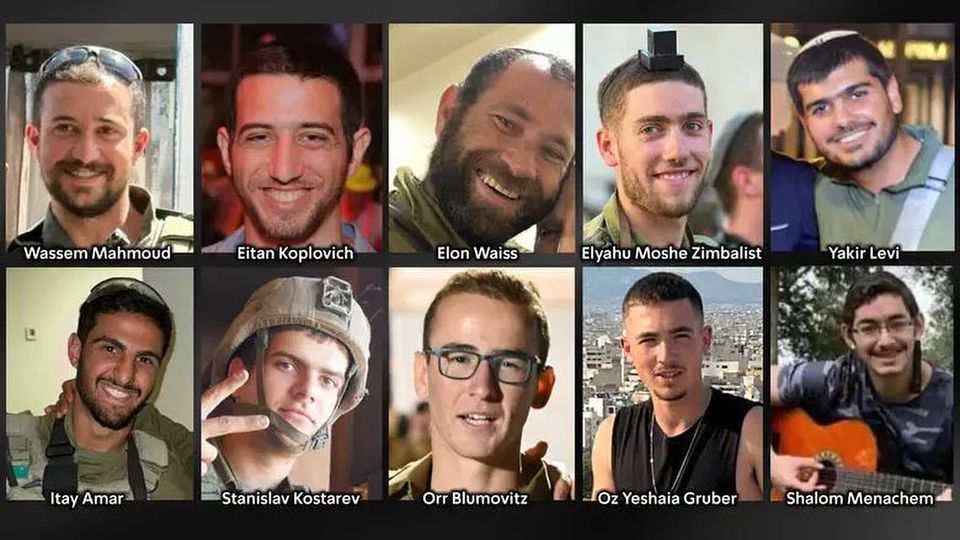
  • Pay Fallen Soldiers Last Respects – As heartrending as it may be, it is a very great mitzvah to attend their funerals and comfort the mourners. By fulfilling these mitzvot you are saying thank you to these soldiers, and their families. You honor what they stood for.  You can also pray for their souls, light a candle for the fallen soldiers, and dedicate specific mitzvot and Torah learning to their soul elevation.

  • Express Your Appreciation for the Soldiers in Writing – You can send messages to soldiers through this email info@israelforever.org. All messages are sent directly to Lone Soldiers through The Lone Soldier Project™ of The Israel Forever Foundation. You may include drawings and photos to warm the soldiers’ hearts. Please note that while all letters are greatly appreciated, not all soldiers will have the opportunity to reply. 

  • Send Care Packages to the Soldiers – They are operating in extreme heat, fighting terrorists day and night, with no access to laundry facilities. The harsh conditions they face make them prone to issues like fungal infections, jock itch, and sunburns, which can become quite serious. Soldiers don’t always have all the items needed to go on long missions or to stay clean and safe. Fresh underwear, socks, protein and energy bars, dried fruits/nuts, headlamps, and tools make a big difference! They also need G-shock watches, head flashlights, portable phone chargers, and more. At all the Lone Soldier Center branches, they have closets full of various basic supplies and items they need. Due to the Israeli customs fees and bureaucracy, don’t send items by mail. Bring the items to Israel or send them with a friend.

  •  Commit to Educating as Many People as Possible – about the importance of the mission of our soldiers to defend the people of Israel against cruel barbarism, and how grateful we should all be for their bravery.